Above: The old barn reflected in a puddle at Creamers Field
Late season rain made for a good photo opportunity in puddles and on ice. Not to much to say today, just pretty pictures.
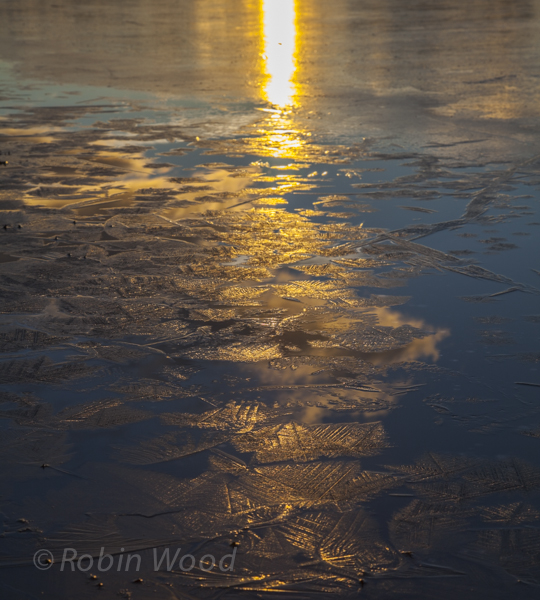
Sunset glows on ice crystals Oct. 29, 2013
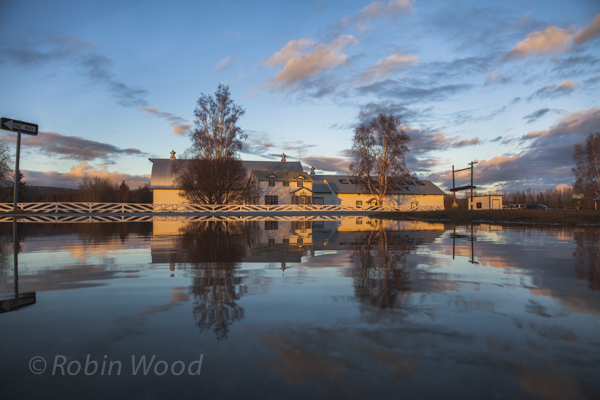
Above: The old barn reflected in a puddle at Creamers Field
Late season rain made for a good photo opportunity in puddles and on ice. Not to much to say today, just pretty pictures.
Sunset glows on ice crystals Oct. 29, 2013

Above: Skulls and bones in the Paris catacombs.
“Arrête, c’est ici l’empire de la mort.”
“Halt, this is the realm of death,” the carving above the entrance to the elaborate labyrinth reads.
To set the mood:
It’s dark: the light from incandescent bulbs casting hard shadows. It’s warm and damp: 130 tight steps and 20 meters, or 63 feet, below the streets of paris – the temperature rises as water drops from the ceiling. It’s huge: The ossuary under Paris is the world’s largest, with over 2 kilometers of walkways and more then 6 million skeletons!
Originally a limestone quarry – likely where the stone to build Notre Dame Cathedral was mined – earth this deep dates from the Lutetian period, between 48 and 40 million years ago. During the French revolution there was a land grab, and cemeteries surrounding churches were dug up. The bones were then stacked in piles underground, and on April 7, 1786, the catacombs were established.
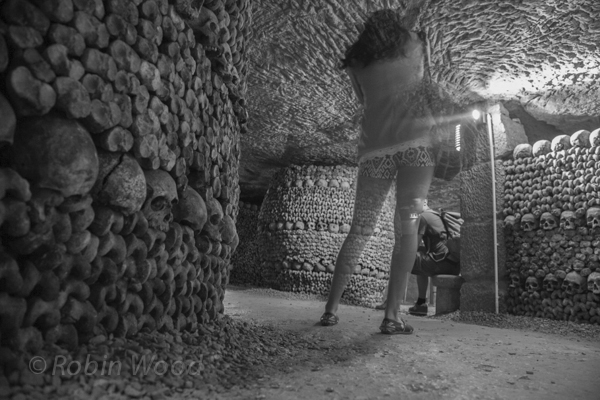
Long exposures create ghost-like figures, blurring the lines between life and death.
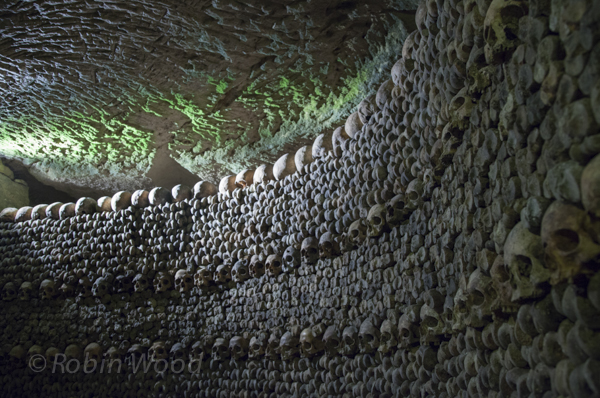
A sickly green accent light helps illuminate an untold amount of bones.
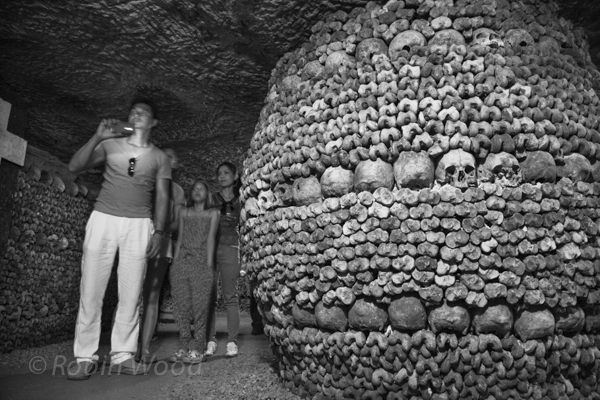
A family with young children work their way through the bones of the catacombs.

Above: A kiss and some butt grab in Paris, July 10, 2013.
A quick post for today, some various street photography from Paris, France. Be sure and check out tomorrows halloween post, when we’ll visit the Paris catacombs, the world’s biggest.
I talked previously about my struggles with street photography, mostly blurry images. Some of these would benefit from being sharper.
What caught my attention for the first image – aside from the rich, wafting smell of tar – was the nearly archaic buckets these workers were using to patch street asphalt.
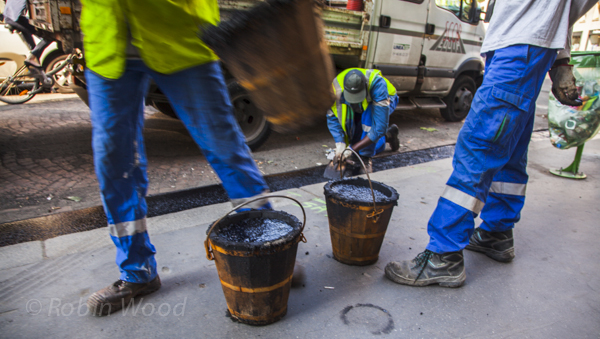
Using old wooden buckets to transport tar.
I wanted to capture the contrast between simplicity and depth for the next image. The elements all worked out, starting with the hair, to the face in the mirror, and unexpectedly the pedestrian crossing the street with a lawn chair.
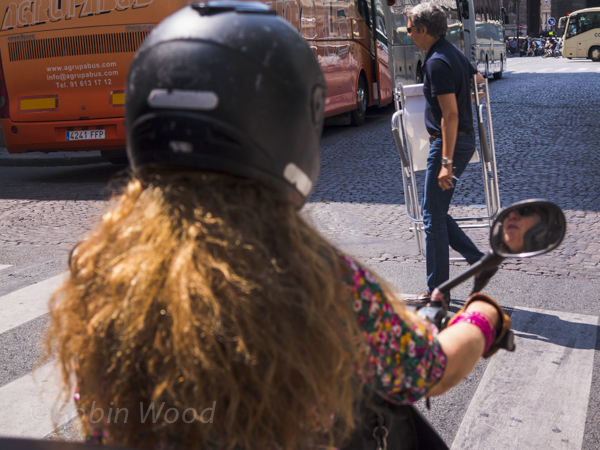
Mopeds, pedestrians and tour busses.
Finally: I loved seeing people reading newspapers, always trying to get a decent photo.

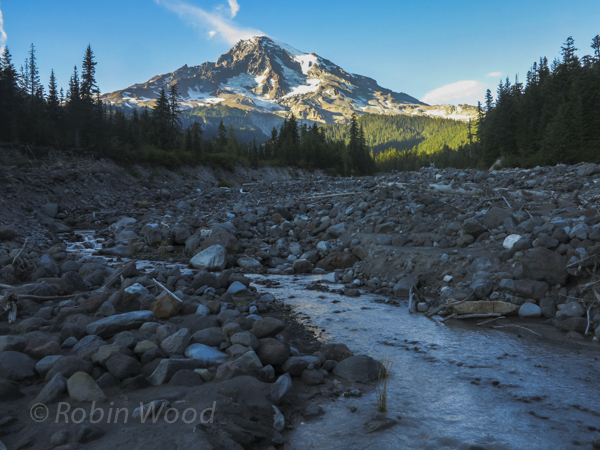
Above: A riverbed in late fall offers little more then a creek winding into Mt. Rainier.
The horizon, like the end of a rainbow, is unreachable. Constantly changing – expanding and contracting, becoming more open or more obscured. Horizons inspire adventures and dreams, spawn stunning sunsets and create wonders.
Horizon is also the weekly photo challenge.
Paradise, located 5,400 feet up Washington’s Mt. Rainer, can supply spectacular views. As well as keep them completely hidden. I got a taste of both possibilities hiking there August, 2012.
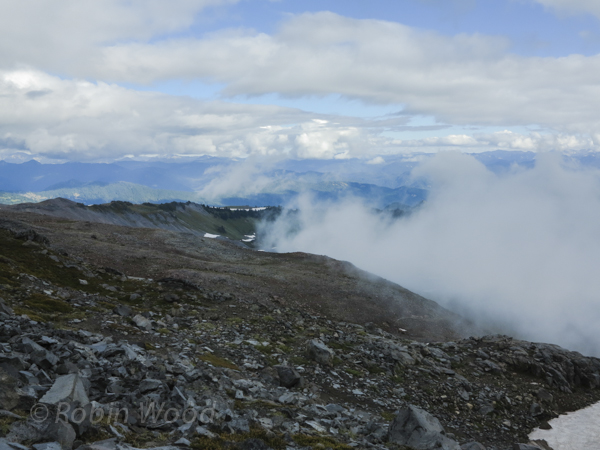
Clouds lift, if only for a moment, to reveal a expansive view.
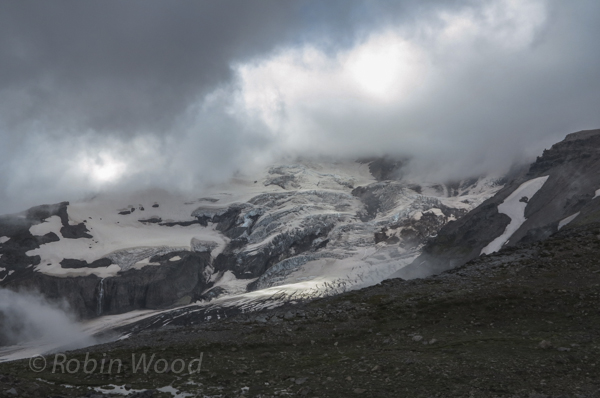
This time clouds descended to create a more abstract horizon line.
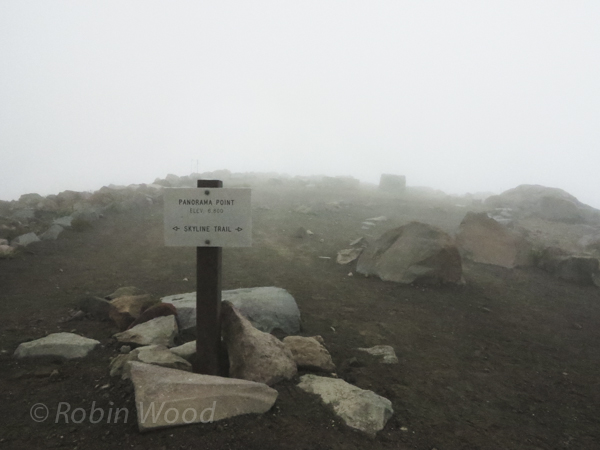
Again clouds create the horizon, no panorama today. Panorama Point, elevation 6,800 feet.
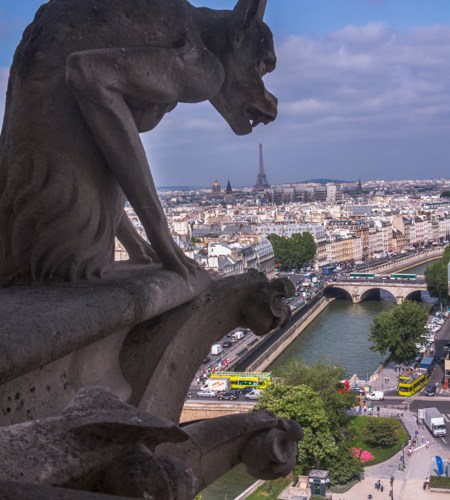
Above: A gargoyle looks over Paris and the Seine River, with the Eiffel Tower far in the background.
Scaling the skinny 400-step spiral staircase in the west buttress of Notre Dame Cathedral is not easy. It is a fascinating, historical experience, and well worth the wait in line.
First stop is the chimera gallery – chimera meaning animal – which features an array of mythical creatures. At 46 meters, or 151 feet, above the ground you’re already above much of the Paris skyline.
The Chimera gallery is the same height as the Cathedrals main roof. The bronze statues visible are some of the 12 apostles.
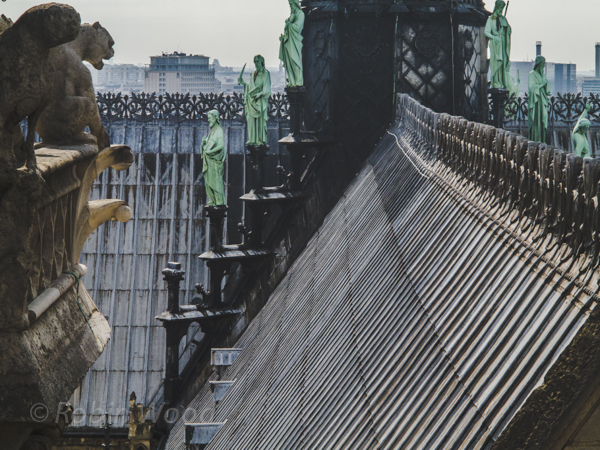
The roof of Notre Dame Cathedral and apostle statues, July 10, 2013.
After crossing the gallery more stairs are in store. The top of the belfry is an impressive 69 meters, 226 feet, above ground. Here a full 360 degree view of paris is attained, as well as a feeling of helplessness if there were to be an emergency.
The roof of the previous picture can be seen leading into the cathedrals spire with the apostle statues. The Seine river winds out of the frame. The only thing more impressive then the view is realizing the tower is roughly 800 years old!

The very top of Notre Dame Cathedral, looking west.
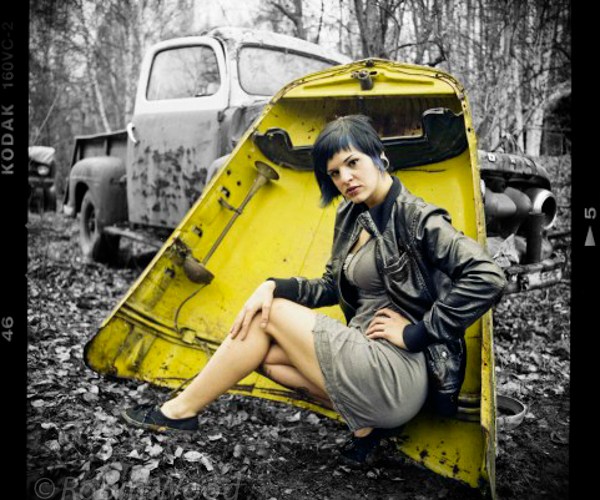
Above: Heidi in the Hood, a selectively-saturated portrait.
It sounds and feels like a lot – this is my 100th post. Thanks to everyone who visits! I have spent a lot of time running Far North Light and loved every minute. It’s great to have so many people show an interest in seeing things through my lens for a little while.
To commemorate 100 posts I have made major formatting changes. Most notable is the blogs appearance, it now includes a homepage with a slideshow, and will in the future include more galleries and portfolios. Please check out my updated about page as well.
I decided there would be no better way to mark 100 posts then to revisit some of the most popular. Note: as this is the second incarnation of Far North Light some of the images were not previously on the blog, but needed to be revisited regardless.
Do you have a favorite photo that I didn’t include in the best-of? Let me know and I’ll make a follow-up post.
Strange Day was the first 4×5 large-format negative I ever took, and one of my first images ever accepted into a juried art show. The following image is a scanned silver-gelatin fibre print. If I knew how I achieved such black clouds, I would tell you.
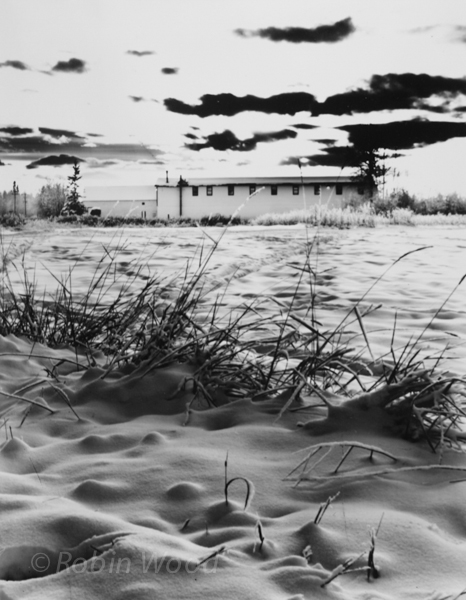
Strange Day
Stange Day was taken at Creamers Field, which was a diary farm and is now a migratory wildfowl refuge, and one of my favorite places to photograph. It’s excellent for everything from landscapes to portraits. The next is a wind drift closeup from Creamers, also 4×5.
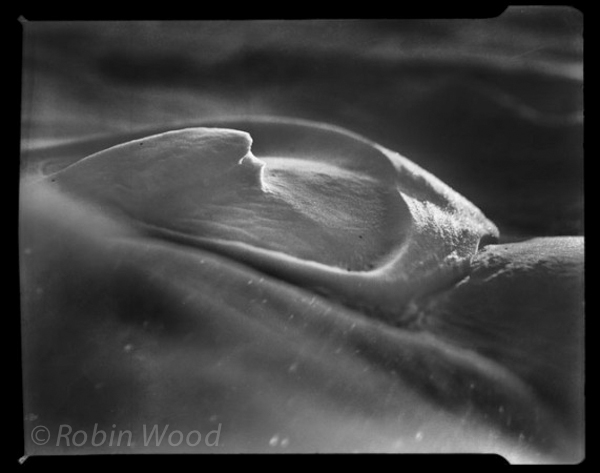
Wind Drift
I don’t often go in search of wildlife, but when given the opportunity do photograph it.
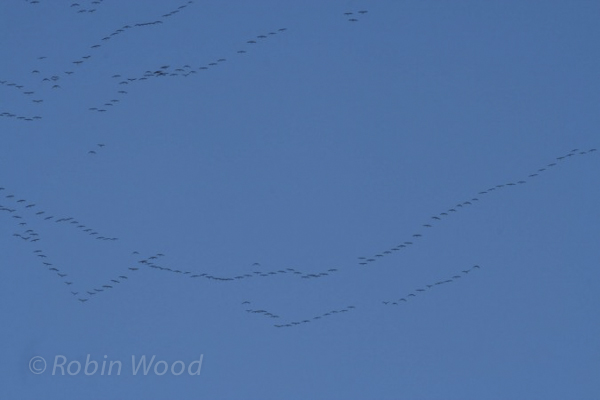
Migrating Canada geese.
One of my favorite posts is from Halloween 2012.
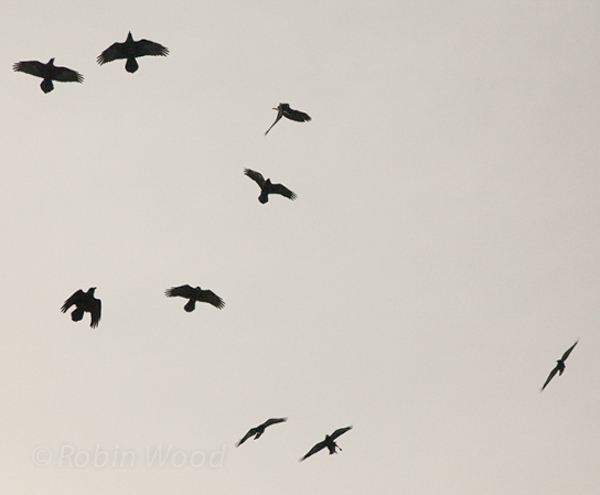
Ravens play on a windy Halloween day.
No compilation post about photography would be complete without some of my photojournalism. From Oct. 17, 2012
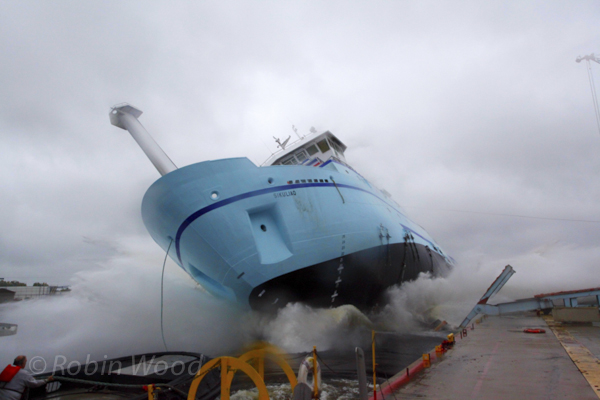
Research Vessel Sikuliaq gets its first taste of the water, Marinette, Wis.
And from my coverage of presidential candidate Ron Paul’s visit to Fairbanks.
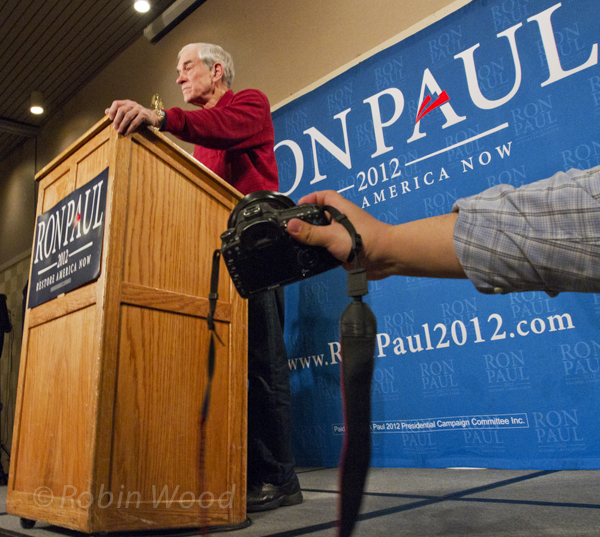
Ron Paul speaks in Fairbanks, March 4, 2011.
As I’m sure is obvious this is but a small collection of the posts and stories I’ve shared. Many of my personal favorites I put into the homepage slide show. I hope you enjoyed, and stay tuned for many more images!

Above: The odd green color makes romanesco feel even more bizarre.
Continuing the harvest theme from my last post about blueberries, it is fall after all, today includes some vegetables grown in my garden. Few things are more satisfying then a delicious home-cooked meal made with food you grew. Much like the blueberries, it can be difficult to find time to photograph vegetables rather then planting, picking or eating them. So here’s a few photos of some photogenic plants.
Potatoes are my family’s main crop, and come in many varieties. My favorite is probably Irish Reds. They work for many recipes, and look fantastic.
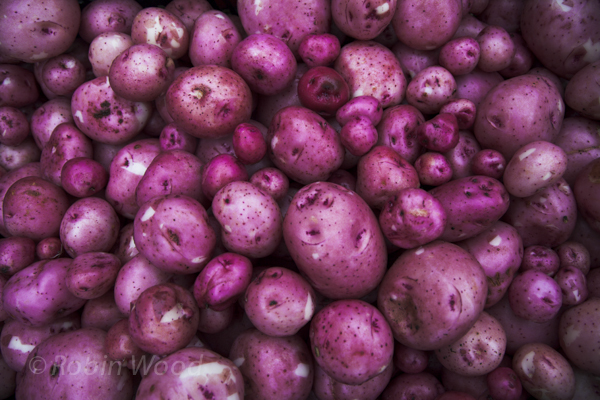
Fresh washed Irish Reds.
One vegetable perhaps more known for its appearance then its use as a food is romanesco, from the cauliflower family. Occasionally called “martian vegetable” for the lime green color and spiraling fractals that form the structure, it can be a very perplexing plant.
I chose black and white to emphasize the plants form.

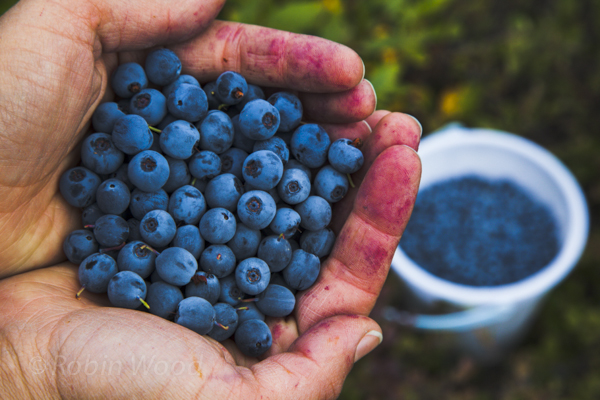
Above: Handfull and bucket full of berries.
Fall in Alaska brings much more then decreasing temperatures and less daylight. Gorgeous colors fill the hills while harvests fill the pantries. The near total daylight of summer allows great success over the short growing season. The harsher, cooler climate vegetation endure make for sweet and succulent food.
Blueberries are both incredibly tasty and incredibly healthy. Packed with antioxidants, blueberries are often called a brain food for their anti-aging and protection-properties for brain neurons. A 2012 article from Alaska Dispatch describes how antioxidants “pick up loose oxygen-seeking substances that, left to roam, will ultimately find a healthy cell to deplete.” WIld Alaskan berries have repeatedly tested to be much higher then farmed berries in health benefits.
The vibrant colors also fit in nicely with the Weekly Photo Challenge: Saturated.

Berries topped with dew rest on a branch.
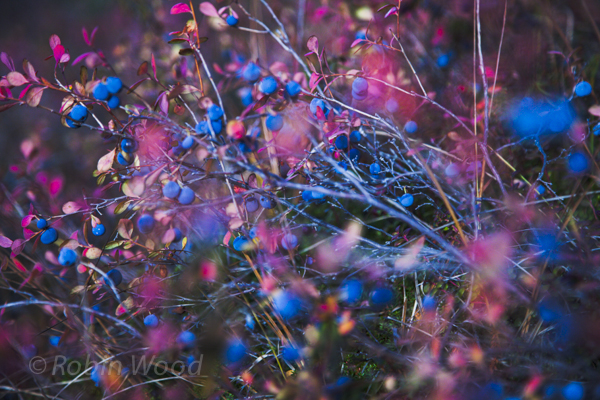
A sea of color.
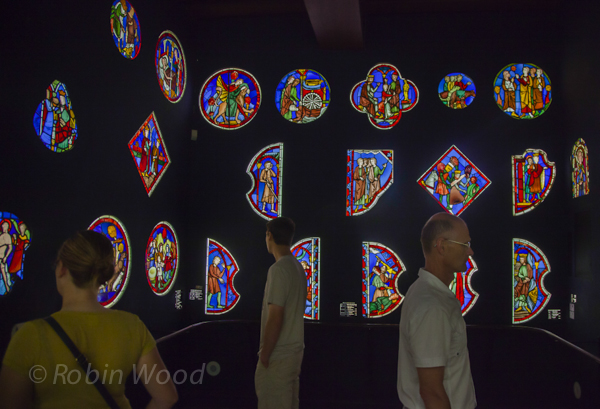
Above: Visitors take in the colorful array of stained glass, July 8, 2013.
Once again the weekly photo challenge lends itself nicely to the Cluny Museum in Paris, France: Saturation. Saturation is a pretty simple concept, the intensity of color relative to brightness. A vibrant flower or dramatic rainbow would be saturated. Completely unsaturated would be black and white.
My last post dealt with lines and pattern of Musee De Cluny architecture. There is also a small stained glass room inside the museum. The nearly pitch black ambiance dramatically increases the vividness of the centuries old glassworks.
Storytelling was the main function of these colorful creations. Most depicted people, many seemed to deal with religious or revolutionary subjects, and more then a few dealt with violence.
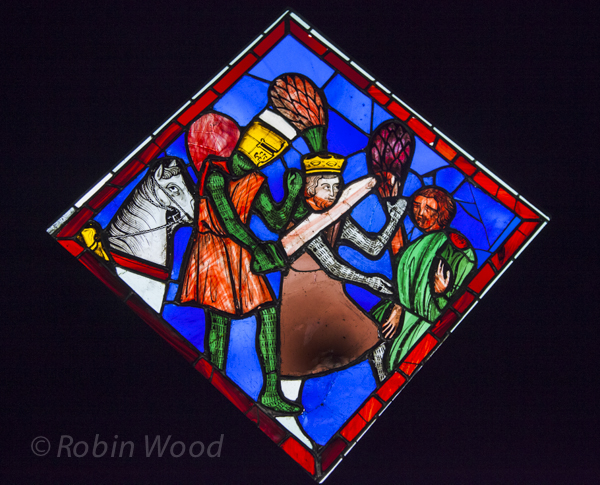
The overthrow and subsequent beheading of a king.

Perhaps symbolizing temptation from satan.
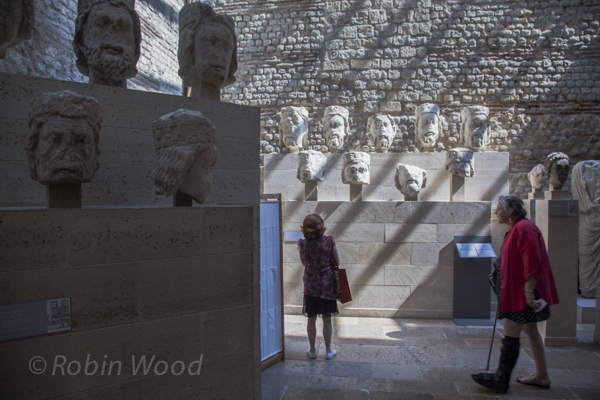
Above: Cascading light and rough masonry from Cluny Museum architecture create lines and patterns. I like how the busts on the left and lady on the right direct the eye toward the smaller lady nearly dwarfed by rock.
The highlight for me was the amazing architecture of the building, one ceiling in particular.
The the many triangles with inlaid s-patterns are perfectly suited to the Weekly Photo Challenge: “From lines to patterns.” The following photo uses a simple tactic. Setting the camera flat on its back, to get as much of the roof as possible.
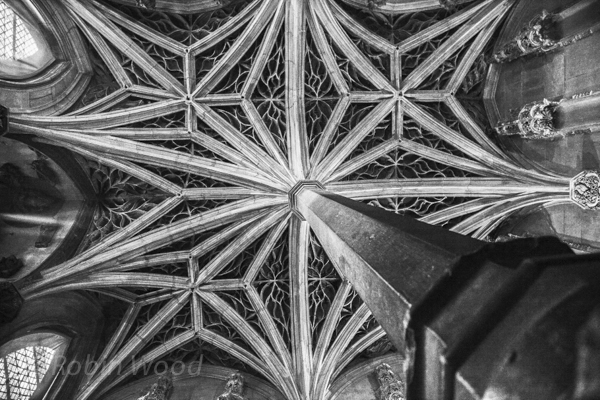
A ceiling in the Cluny Museum in black and white. July 8, 2013.
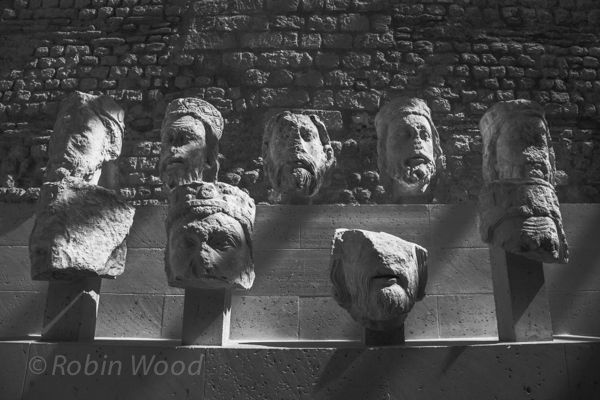
The ancient busts have long seen wear and tear.
 Far North Light