Post Number 100!

Abstract, Alaska, Black & White, Landscapes, Portraits, Travel, Uncategorized

Above: Heidi in the Hood, a selectively-saturated portrait.

It sounds and feels like a lot – this is my 100th post. Thanks to everyone who visits! I have spent a lot of time running Far North Light and loved every minute. It’s great to have so many people show an interest in seeing things through my lens for a little while.

To commemorate 100 posts I have made major formatting changes. Most notable is the blogs appearance, it now includes a homepage with a slideshow, and will in the future include more galleries and portfolios. Please check out my updated about page as well.

I decided there would be no better way to mark 100 posts then to revisit some of the most popular. Note: as this is the second incarnation of Far North Light some of the images were not previously on the blog, but needed to be revisited regardless.

Do you have a favorite photo that I didn’t include in the best-of? Let me know and I’ll make a follow-up post.

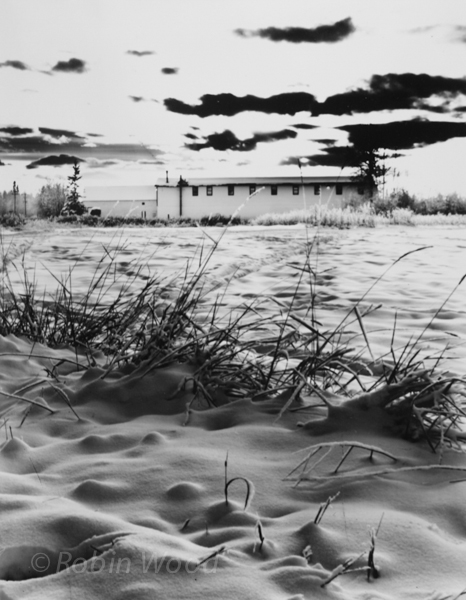
Strange Day was the first 4×5 large-format negative I ever took, and one of my first images ever accepted into a juried art show. The following image is a scanned silver-gelatin fibre print. If I knew how I achieved such black clouds, I would tell you.
Strange Day

Strange Day

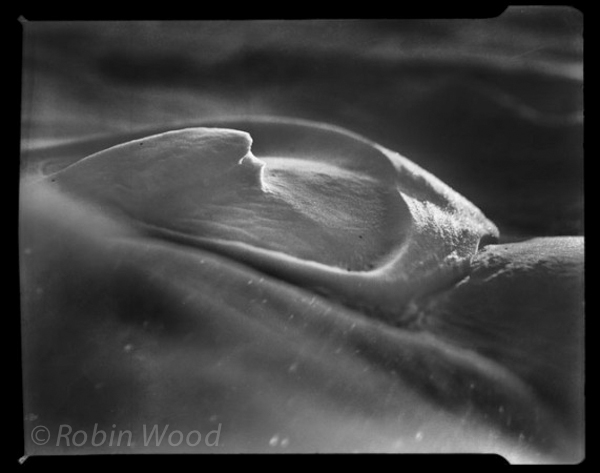
Stange Day was taken at Creamers Field, which was a diary farm and is now a migratory wildfowl refuge, and one of my favorite places to photograph. It’s excellent for everything from landscapes to portraits. The next is a wind drift closeup from Creamers, also 4×5.
Wind Drift

Wind Drift


I don’t often go in search of wildlife, but when given the opportunity do photograph it.
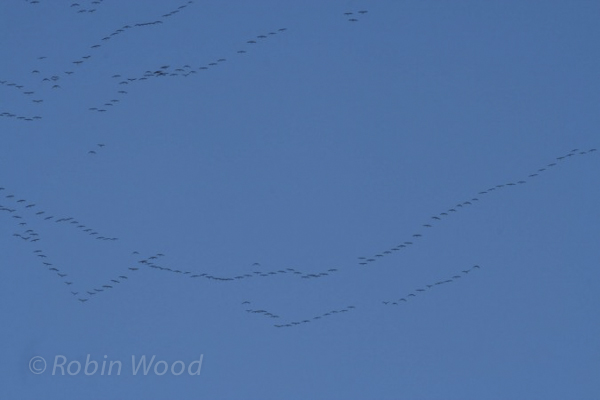
Migrating Canada geese.

Migrating Canada geese.

One of my favorite posts is from Halloween 2012. 
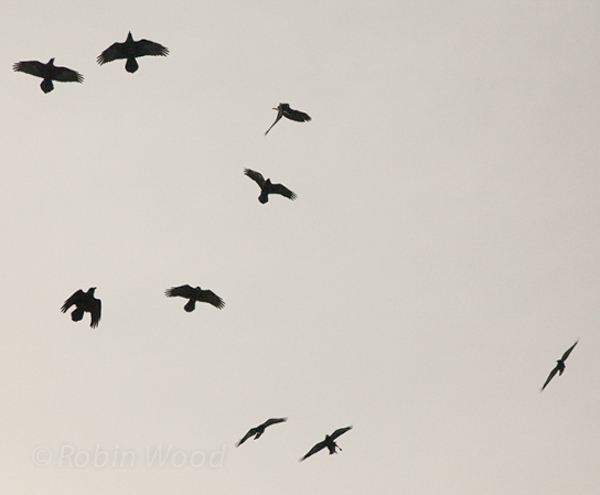
Ravens play on a windy Halloween day.

Ravens play on a windy Halloween day.

No compilation post about photography would be complete without some of my photojournalism. From Oct. 17, 2012
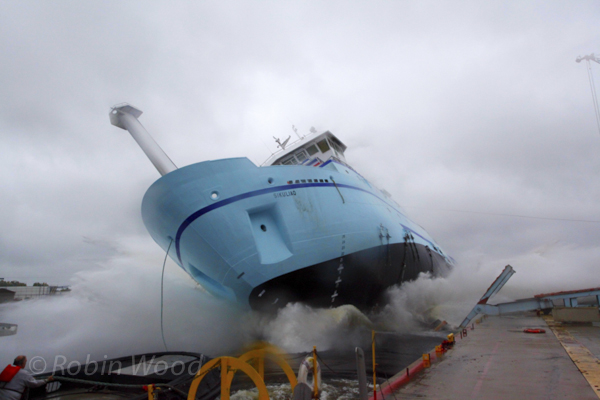
Research Vessel Sikuliaq gets its first taste of the water, Marinette, Wis.

Research Vessel Sikuliaq gets its first taste of the water, Marinette, Wis.

And from my coverage of presidential candidate Ron Paul’s visit to Fairbanks.

Ron Paul visists Fairbanks, Alaska.

Ron Paul speaks in Fairbanks, March 4, 2011.

As I’m sure is obvious this is but a small collection of the posts and stories I’ve shared. Many of my personal favorites I put into the homepage slide show. I hope you enjoyed, and stay tuned for many more images!
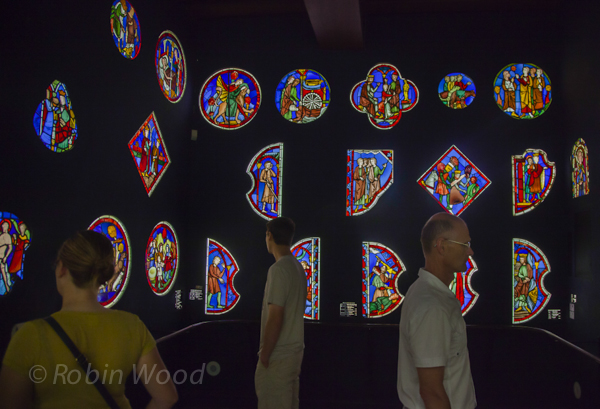
More Cluny Museum – Stained Glass

Photography, Travel

Above: Visitors take in the colorful array of stained glass, July 8, 2013.

Once again the weekly photo challenge lends itself nicely to the Cluny Museum in Paris, France: Saturation. Saturation is a pretty simple concept, the intensity of color relative to brightness. A vibrant flower or dramatic rainbow would be saturated. Completely unsaturated would be black and white.

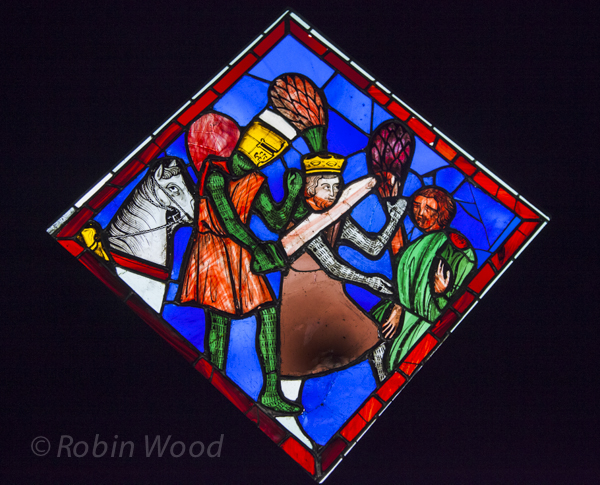
My last post dealt with lines and pattern of Musee De Cluny architecture. There is also a small stained glass room inside the museum. The nearly pitch black ambiance dramatically increases the vividness of the centuries old glassworks.

Storytelling was the main function of these colorful creations. Most depicted people, many seemed to deal with religious or revolutionary subjects, and more then a few dealt with violence.

ClunyStainedGlass-2

The overthrow and subsequent beheading of a king.

Perhaps symbolizing the temptation from satan.

Perhaps symbolizing temptation from satan.

Cluny Museum: Lines and patterns.

Photography, Travel, Uncategorized

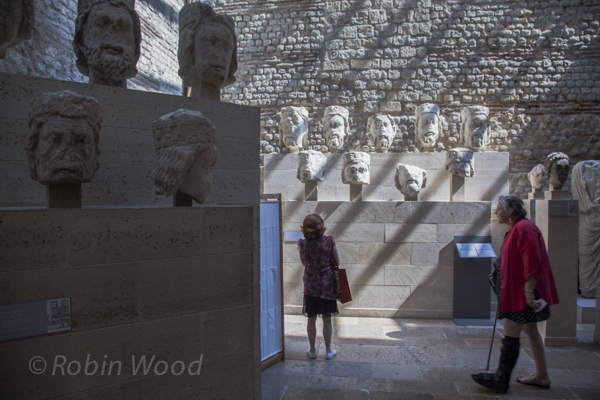
Above: Cascading light and rough masonry from Cluny Museum architecture create lines and patterns.  I like how the busts on the left and lady on the right direct the eye toward the smaller lady nearly dwarfed by rock.

Located in Paris, France, Musee de Cluny occupies two gorgeous buildings, the 1st century Gallo-Roman baths of Lutece and the  15th century townhouse of the abbots of Cluny.

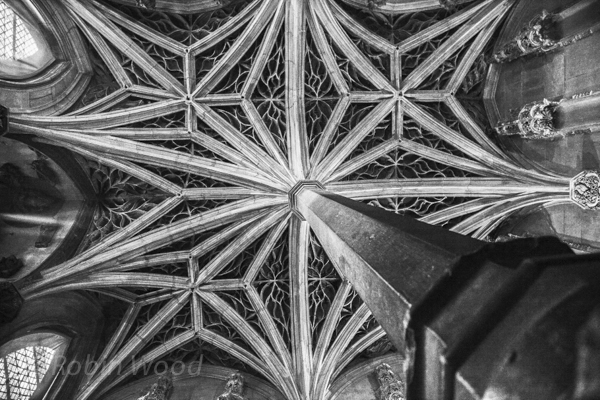
The highlight for me was the amazing architecture of the building, one ceiling in particular.

The the many triangles with inlaid s-patterns are perfectly suited to the  Weekly Photo Challenge: “From lines to patterns.” The following photo uses a simple tactic. Setting the camera flat on its back, to get as much of the roof as possible.

A ceiling in the Cluny Museum in black a white. July 8, 2013.

A ceiling in the Cluny Museum in black and white. July 8, 2013.

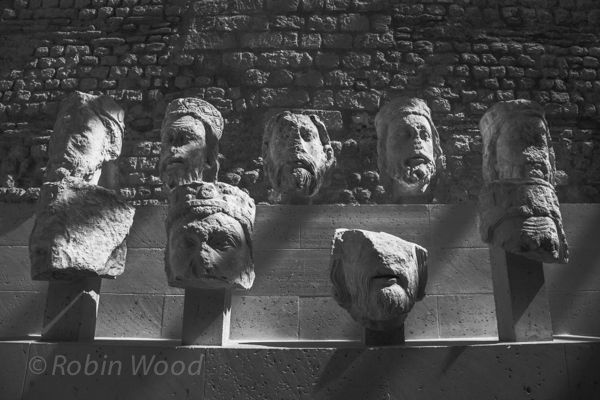
The ancient busts have long seen wear and tear.

MuseeCluny-7

Jardin du Luxembourg

architecture, Photography, Street, Travel

The Luxembourg Gardens: The second largest public park in Paris and home to Luxembourg Palace, where the French Senate convene. A popular place in Paris to spend a sunny day. Be careful where you walk, most of the grass is off limits to pedestrians, resulting in quick intervention by a security guard.

Fountains and flowers occupy the central area, backdropped by Luxembourg Palace.

Enjoying sun and scenery at Luxomberg Gardens, July 6, 2013.

Enjoying sun and scenery at Luxomberg Gardens, July 6, 2013.

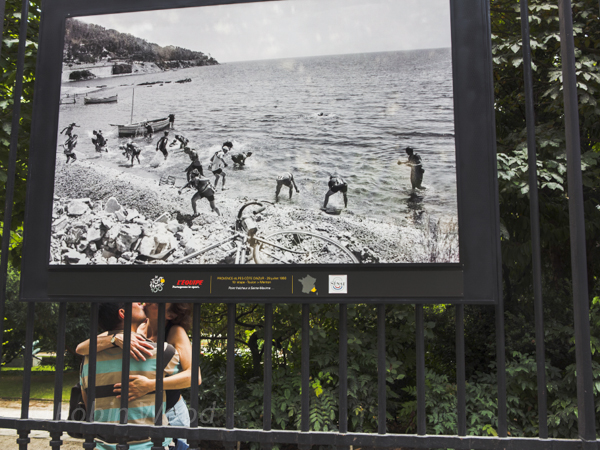
2013 marked the 100th anniversary of the Tour de France, the iconic bicycle race which traverses France. To commemorate the milestone large photos of the race from every generation were mounted on the fence surrounding Jardin du Luxembourg.

While they were all very lovely to look at, creating a visual snapshot over a century of change, I found the most interesting photo involved what hid behind.

Sharing a kiss behind a Tour de France photo dated  July 29, 1950.

Sharing a kiss behind a Tour de France photo dated July 29, 1950.

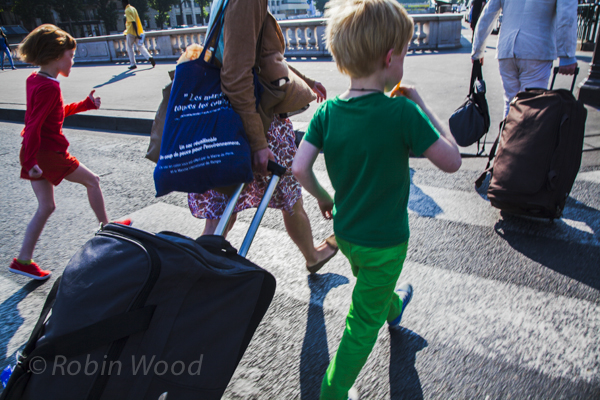
Complementary colors crossing the street

Photography, Street, Travel

Street photography is one of my least proficient genres. And judging by the amount of blurry pictures I took on my trip I  need to use a faster shutter speed or take more time. Likely the latter.

There is an old adage “f8 and wait,” referring to the f8 aperture which provides a fairly large depth-of-field (the amount of the imagine in focus.) This is a valuable tip, if you’re stationary. I think for me a fast shutter speed would be more valuable since I’m often moving with the subjects.

WIth all that said, this next shot literally passed me up, and I grabbed the only – almost sharp – shot I could.

Crossing a street in Paris a family of four, being led by the dad in a large hurry, hustled by. Without even bringing the camera to my eyes I shot a single, hip-level frame, which does a nice job emphasizing the children. Even without being sharp I absolutely love the complementary colors of  the kid’s clothing.

Color theory states warm colors – yellow, orange, red – will appear closer in the frame, even when in the background. So the pedestrian in the yellow shirt is a strong figure.

I like the shot, but 1/125th of a second was not fast enough.

ComplimentaryCrossing

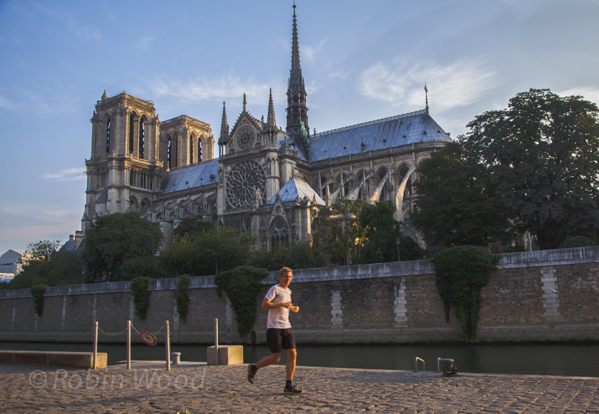
Notre Dame Cathedral as seen from the left bank Seine River.

architecture, Black & White, Photography, Travel

On the right bank of the Seine River that splits Paris in half stands Notre Dame Cathedral. The first stone of this ancient and enormous house of worship was laid in 1163 by Bishop Maurice de Sully. Built of limestone from nearby quarries, Notre Dame, or “Our Lady,” took almost 200 years to complete and today is the most visited site in Paris.

While Notre Dame seems hidden until relatively close due to surrounding structures, once in eyesight it immediately dominates the skyline. In cool morning air and soft light with the flowing water – before crowds arrive in the hundreds – the scene is calm, relaxing.

Something as simple as circling the cathedral is astounding. It radiates history. Everywhere hand-carved statues and motifs overwhelm the eyes. One can’t help but imagine simple peasant farmers in the early days seeing Notre Dame and thinking  they had seen part of heaven.

A jogger makes his way along the Seine River with Notre-Dame Cathedral in the background, July 8, 2013.

A jogger makes his way along the Seine River with Notre-Dame Cathedral in the background, July 8, 2013.

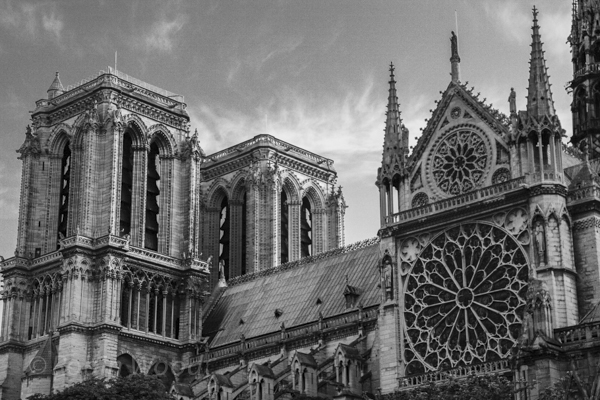
Notre Dame as seen from the left bank of the Seine River.

Notre Dame as seen from the left bank of the Seine River.

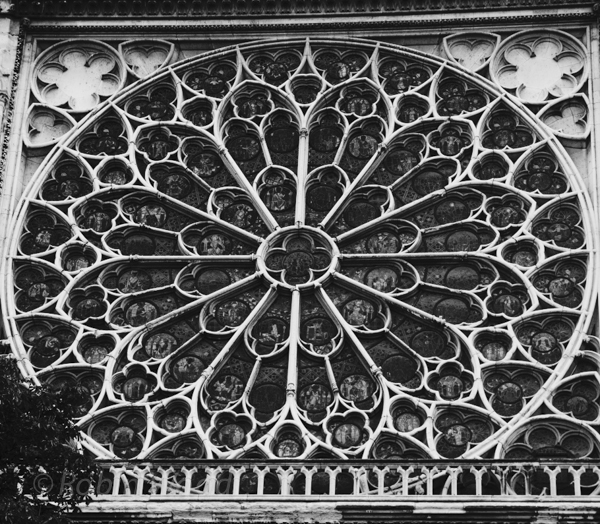
Architecture close up.

Architecture close up.

Weekly Photo Challenge: Focus, on the Notre Dame Cathedral and roses.

architecture, Travel, Uncategorized, Weekly Photo Post

Focus – a powerful concept that applies to so much more then photography. Naturally, when thinking of focus I think equally of the opposite, unfocused. The difference is apparent as black and white. Sharp or fuzzy. Crisp or cloudy. Clear or muddy. Focus is a powerful tool to draw the eye and attract attention. Focus is necessary in all aspects of life – from reading and writing to work and sports.

In photography focus is fairly straightforward. Often my first question when editing a photo: What is in focus? Little is more disheartening then finding a lovely composed and well-timed shot, then realizing the subject matter is out-of-focus. Worse, nothing in focus.

The following two photos are Notre Dame Cathedral in Paris in the background and roses in the foreground. The different focal point and shallow depth-of-field provides a dramatic difference in the images feelings.

With the roses in focus the image feels soft, almost delicate.

Roses and Notre Dame Cathedral. July 8th, 2013.

Roses and Notre Dame Cathedral 1. July 8, 2013.

The following photo, with Notre Dame in focus (perhaps almost in focus,) feels more grandeur.

Roses and Notre Dame 2. July 8, 2013.

Roses and Notre Dame Cathedral 2. July 8, 2013.

These are two images from six weeks I just spent traveling throughout Europe. I will continue to post images of my travels, many with history about the subjects. So please stay tuned!

Weekly Photo Challenge: The Golden Hour, Versailles, France.

Photography, Street, Travel, Weekly Photo Post

The golden hour is the current weekly photo challenge. Around sunrise or sunset the sun’s low angle causes more diffusions in the atmosphere and casts long shadows. The result can be spectacular light. I used to strictly time my photography around this time, until one day a teacher asks when the best time to take a photo was. I replied “the golden hour” to which he responded, the best time to take a photo is anytime. While I still prefer catching the dramatic and soft lighting prone to the golden hour, that piece of advice has stuck with me and greatly influenced my photographing habits.

These two images were recently taken in the town of Versailles, France.

Apparently weary of my camera, a dad plays with his son during sunset.

Apparently weary of my camera, a dad plays with his son during sunset.

Pedestrians cast long shadows walking by packed cafes.

Pedestrians cast long shadows walking by packed cafes.

Dusk and Dawn Landscapes

Alaska, Landscapes, Photography, Travel

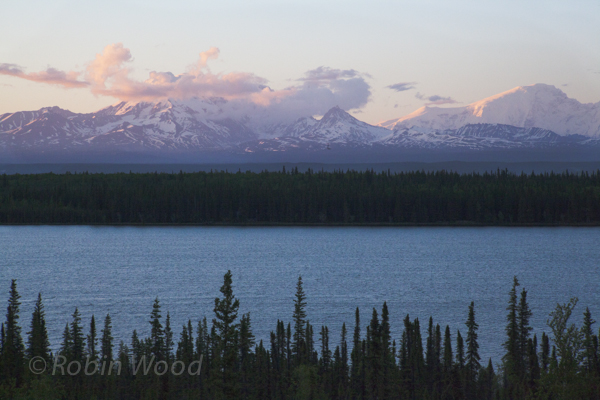
It’s a subject I’ve talked about before, long Alaskan summer light. Dusk and dawn, referred to as “golden light” in photography, are but a few short hours apart. A fishing trip to the Copper River Valley early June gave me a prime opportunity to photograph both ends.

In the first image: Alpenglow illuminates Mount Drum, left, and Mount Sanford, right. Shot at 11:10 p.m., June 11, 2013.

Alpenglow highlights mountains along the Richardson Highway,11:10 p.m., June 11, 2013.

Alpenglow highlights mountains along the Richardson Highway,11:10 p.m., June 11, 2013.

Before getting on the boat the next morning I walked down to the Copper River to photograph a gorgeous sunrise, At 4:30 in the morning, just over five hours later.

Sunrise over the Copper River at 4:30 a.m., June 11, 2013.

Sunrise over the Copper River at 4:30 a.m., June 11, 2013.

D-Day: My Grandma and The Michigan Daily

Photography, Portraits, Travel

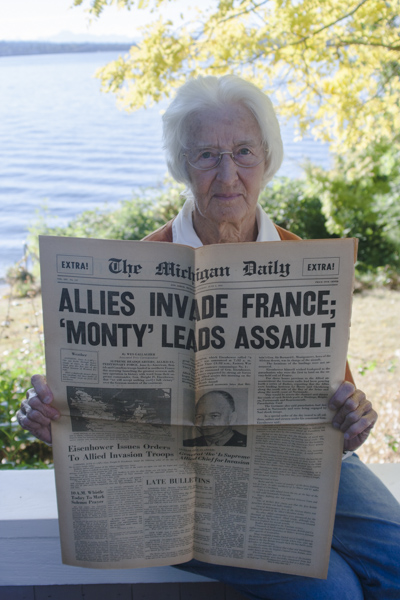
According to my grandma, Claire Thomas, D-Day June 6, 1944, was a day everyone knew was coming. The question was, when? At the time Thomas was the editor of her school newspaper, the AP syndicate and still operating Michigan Daily. I am incredibly impressed by the ability of my grandma not only to rise to the position of editor, but to do so through what must have been very limiting sexual discrimination. Her hard work and attention to detail surely played a role. That attention to detail often finds typos in my writings, for which I thank you grandma.

When I was visiting a few years ago she had recently found a copy of the very issue printed on D-Day. Listening to her anecdotes of waiting by the phone, rushing to the office late at night to put the paper together, and the tension felt by Americans from every upbringing was fascinating. In retrospect it would have been a great conversation to record.

Here she is holding the June 6, 1944 issue on the porch of her house, Lake Washington in the background.

Claire Thomas holds a copy of The Michigan Daily from June 6, 1944. She was editor of the paper during the D-Day invasion of Europe.

Claire Thomas holds a copy of The Michigan Daily from June 6, 1944. She was editor of the paper during the D-Day invasion of Europe.