Halloween Special: Necropolis under Paris

Black & White, Photography, Travel

Above: Skulls and bones in the Paris catacombs.

“Arrête, c’est ici l’empire de la mort.”

“Halt, this is the realm of death,” the carving above the entrance to the elaborate labyrinth reads.

To set the mood: 

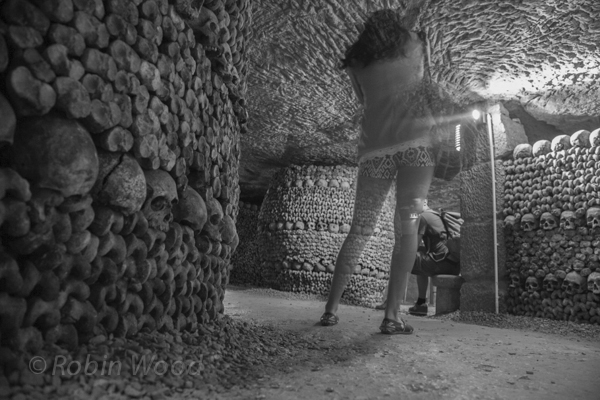
It’s dark: the light from incandescent bulbs casting hard shadows. It’s warm and damp: 130 tight steps and 20 meters, or 63 feet, below the streets of paris – the temperature rises as water drops from the ceiling. It’s huge: The ossuary under Paris is the world’s largest, with over 2 kilometers of walkways and more then 6 million skeletons!

Originally a limestone quarry – likely where the stone to build Notre Dame Cathedral was mined – earth this deep dates from the Lutetian period, between 48 and 40 million years ago. During the French revolution there was a land grab, and cemeteries surrounding churches were dug up. The bones were then stacked in piles underground, and on April 7, 1786, the catacombs were established.
ParisCatacombs-5

Long exposures create ghost-like figures, blurring the lines between life and death.
ParisCatacombs-4

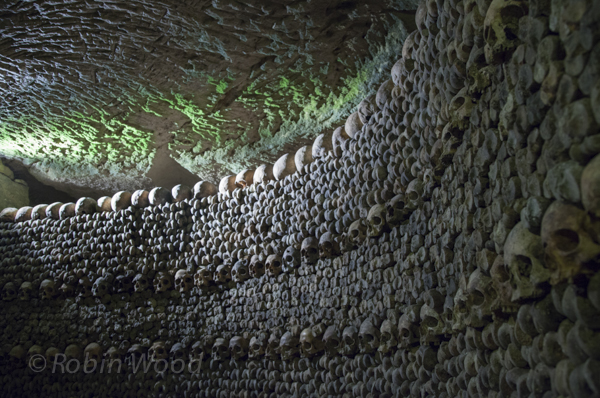
A sickly green accent light helps illuminate an untold amount of bones.
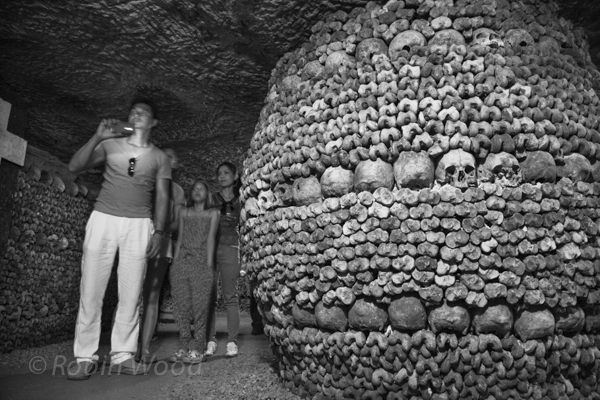
A family with surprisingly young children work their way through the catacombs.

A family with young children work their way through the bones of the catacombs.

Paris Street Photography

Photography, Street, Travel

Above: A kiss and some butt grab in Paris, July 10, 2013.

A quick post for today, some various street photography from Paris, France. Be sure and check out tomorrows halloween post, when we’ll visit the Paris catacombs, the world’s biggest.

I talked previously about my struggles with street photography, mostly blurry images. Some of these would benefit from being sharper.

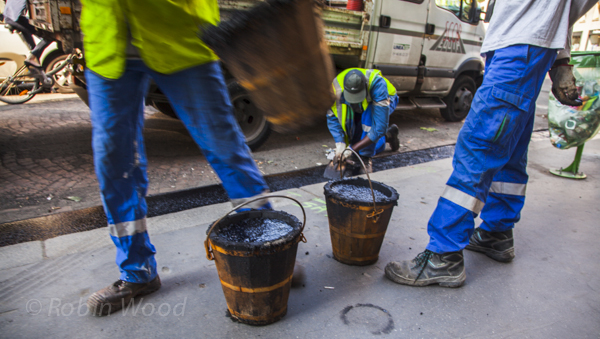
What caught my attention for the first image – aside from the rich, wafting smell of tar – was the nearly archaic buckets these workers were using to patch street asphalt.

Using old wooden buckets to transport tar

Using old wooden buckets to transport tar.

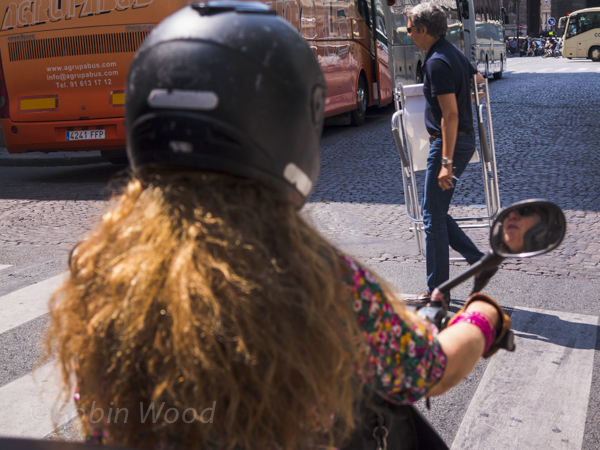
I wanted to capture the contrast between simplicity and depth for the next image. The elements all worked out, starting with the hair, to the face in the mirror, and unexpectedly the pedestrian crossing the street with a lawn chair.

Mopeds, pedestrians and tour busses.

Mopeds, pedestrians and tour busses.

Finally: I loved seeing people reading newspapers, always trying to get a decent photo.

ParisStreet-3

Post Number 100!

Abstract, Alaska, Black & White, Landscapes, Portraits, Travel, Uncategorized

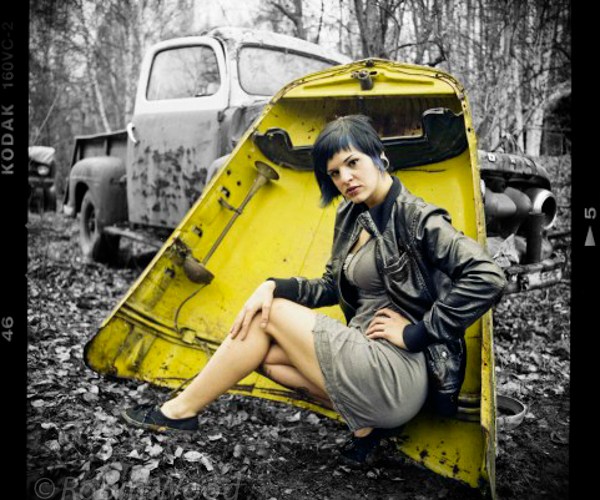
Above: Heidi in the Hood, a selectively-saturated portrait.

It sounds and feels like a lot – this is my 100th post. Thanks to everyone who visits! I have spent a lot of time running Far North Light and loved every minute. It’s great to have so many people show an interest in seeing things through my lens for a little while.

To commemorate 100 posts I have made major formatting changes. Most notable is the blogs appearance, it now includes a homepage with a slideshow, and will in the future include more galleries and portfolios. Please check out my updated about page as well.

I decided there would be no better way to mark 100 posts then to revisit some of the most popular. Note: as this is the second incarnation of Far North Light some of the images were not previously on the blog, but needed to be revisited regardless.

Do you have a favorite photo that I didn’t include in the best-of? Let me know and I’ll make a follow-up post.

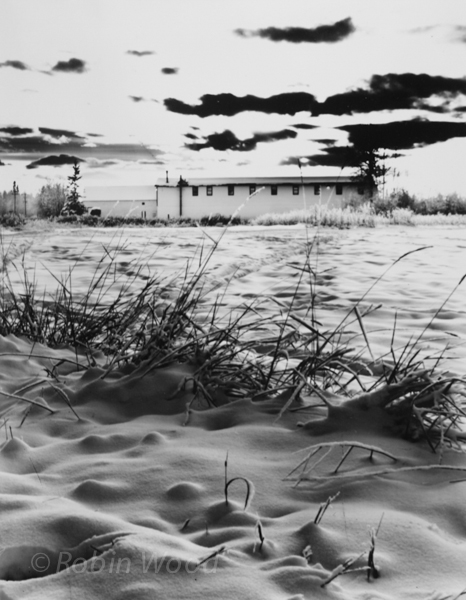
Strange Day was the first 4×5 large-format negative I ever took, and one of my first images ever accepted into a juried art show. The following image is a scanned silver-gelatin fibre print. If I knew how I achieved such black clouds, I would tell you.

Strange Day

Strange Day

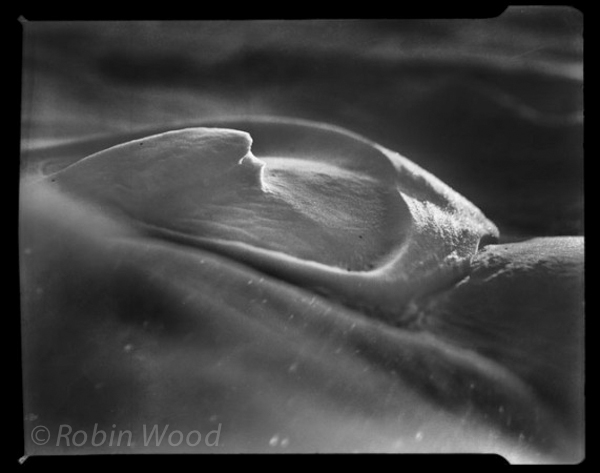
Stange Day was taken at Creamers Field, which was a diary farm and is now a migratory wildfowl refuge, and one of my favorite places to photograph. It’s excellent for everything from landscapes to portraits. The next is a wind drift closeup from Creamers, also 4×5.

Wind Drift

Wind Drift


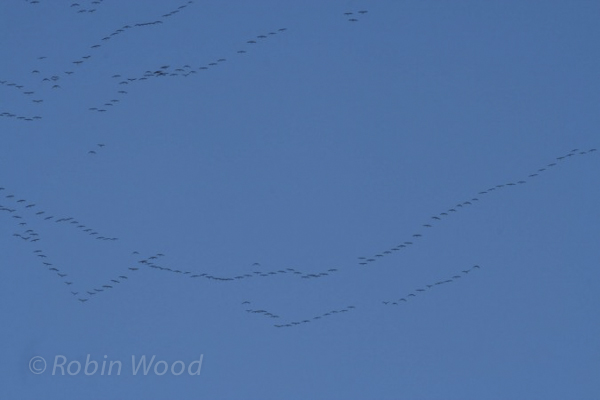
I don’t often go in search of wildlife, but when given the opportunity do photograph it.

Migrating Canada geese.

Migrating Canada geese.

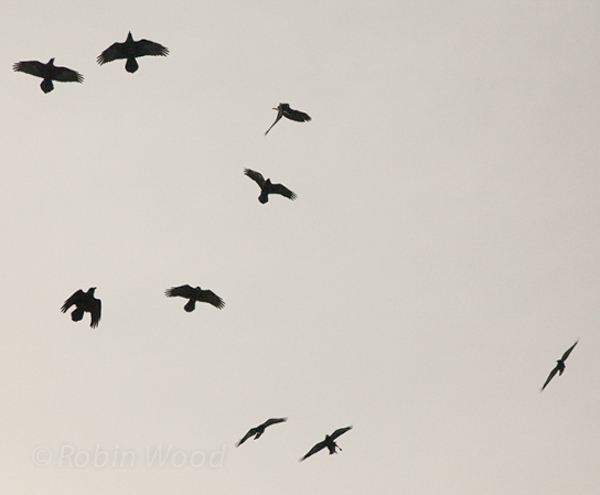
One of my favorite posts is from Halloween 2012. 

Ravens play on a windy Halloween day.

Ravens play on a windy Halloween day.

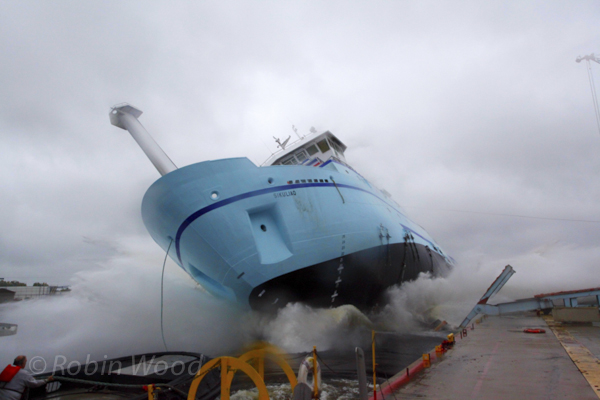
No compilation post about photography would be complete without some of my photojournalism. From Oct. 17, 2012

Research Vessel Sikuliaq gets its first taste of the water, Marinette, Wis.

Research Vessel Sikuliaq gets its first taste of the water, Marinette, Wis.

And from my coverage of presidential candidate Ron Paul’s visit to Fairbanks.

Ron Paul visists Fairbanks, Alaska.

Ron Paul speaks in Fairbanks, March 4, 2011.

As I’m sure is obvious this is but a small collection of the posts and stories I’ve shared. Many of my personal favorites I put into the homepage slide show. I hope you enjoyed, and stay tuned for many more images!

Potatoes and Romanesco

Abstract, Alaska, Black & White, Macro, Photography

Above: The odd green color makes romanesco feel even more bizarre.

Continuing the harvest theme from my last post about blueberries, it is fall after all, today includes some vegetables grown in my garden. Few things are more satisfying then a delicious home-cooked meal made with food you grew. Much like the blueberries, it can be difficult to find time to photograph vegetables rather then planting, picking or eating them. So here’s a few photos of some photogenic plants.

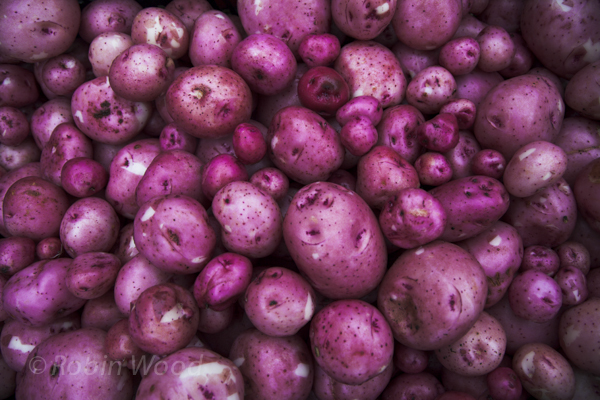
Potatoes are my family’s main crop, and come in many varieties. My favorite is probably Irish Reds. They work for many recipes, and look fantastic.

Fresh washed Irish Reds.

Fresh washed Irish Reds.

One vegetable perhaps more known for its appearance then its use as a food is romanesco, from the cauliflower family. Occasionally called “martian vegetable” for the lime green color and spiraling fractals that form the structure, it can be a very perplexing plant.

I chose black and white to emphasize the plants form.

Spiraling romanesco - repeating patterns play with the eye.

Spiraling romanesco – repeating patterns play with the eye.

Cluny Museum: Lines and patterns.

Photography, Travel, Uncategorized

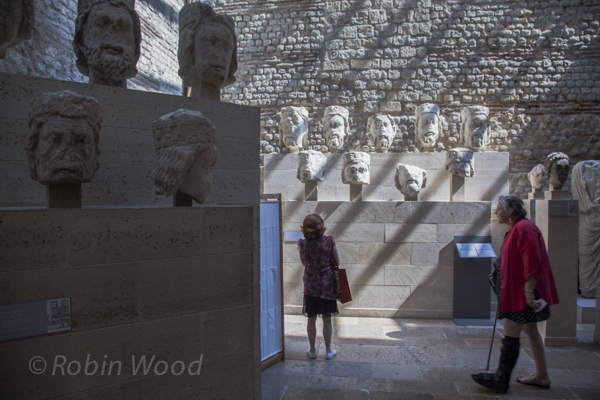
Above: Cascading light and rough masonry from Cluny Museum architecture create lines and patterns.  I like how the busts on the left and lady on the right direct the eye toward the smaller lady nearly dwarfed by rock.

Located in Paris, France, Musee de Cluny occupies two gorgeous buildings, the 1st century Gallo-Roman baths of Lutece and the  15th century townhouse of the abbots of Cluny.

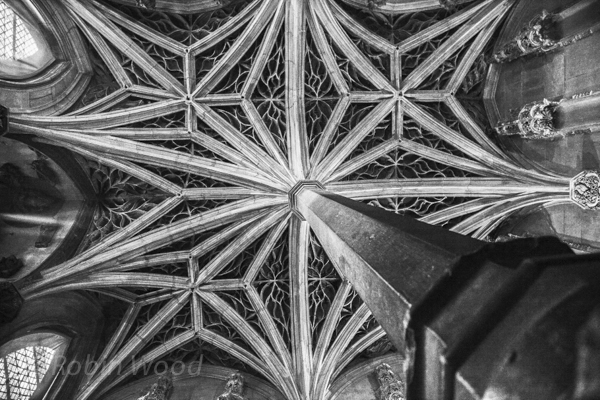
The highlight for me was the amazing architecture of the building, one ceiling in particular.

The the many triangles with inlaid s-patterns are perfectly suited to the  Weekly Photo Challenge: “From lines to patterns.” The following photo uses a simple tactic. Setting the camera flat on its back, to get as much of the roof as possible.

A ceiling in the Cluny Museum in black a white. July 8, 2013.

A ceiling in the Cluny Museum in black and white. July 8, 2013.

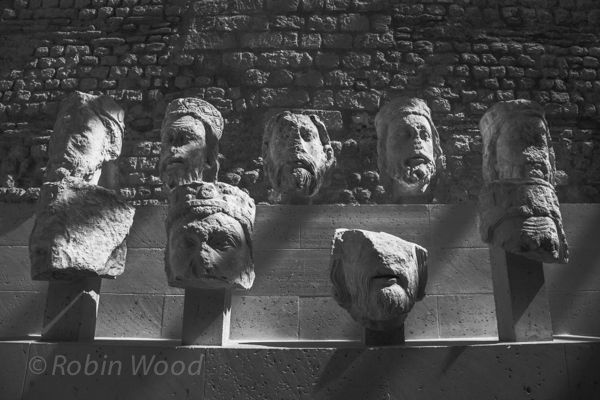
The ancient busts have long seen wear and tear.

MuseeCluny-7

Jardin du Luxembourg

architecture, Photography, Street, Travel

The Luxembourg Gardens: The second largest public park in Paris and home to Luxembourg Palace, where the French Senate convene. A popular place in Paris to spend a sunny day. Be careful where you walk, most of the grass is off limits to pedestrians, resulting in quick intervention by a security guard.

Fountains and flowers occupy the central area, backdropped by Luxembourg Palace.

Enjoying sun and scenery at Luxomberg Gardens, July 6, 2013.

Enjoying sun and scenery at Luxomberg Gardens, July 6, 2013.

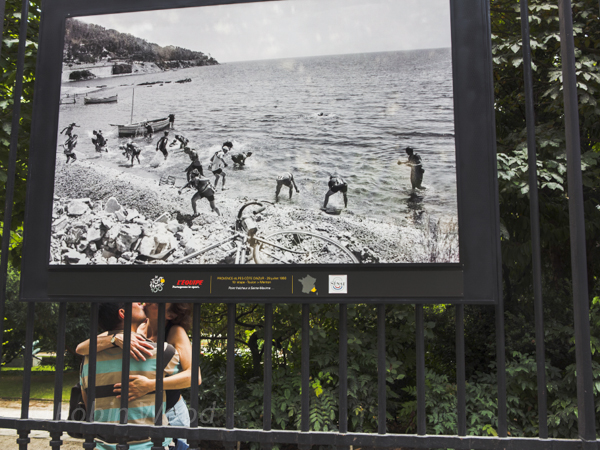
2013 marked the 100th anniversary of the Tour de France, the iconic bicycle race which traverses France. To commemorate the milestone large photos of the race from every generation were mounted on the fence surrounding Jardin du Luxembourg.

While they were all very lovely to look at, creating a visual snapshot over a century of change, I found the most interesting photo involved what hid behind.

Sharing a kiss behind a Tour de France photo dated  July 29, 1950.

Sharing a kiss behind a Tour de France photo dated July 29, 1950.

Notre Dame Cathedral as seen from the left bank Seine River.

architecture, Black & White, Photography, Travel

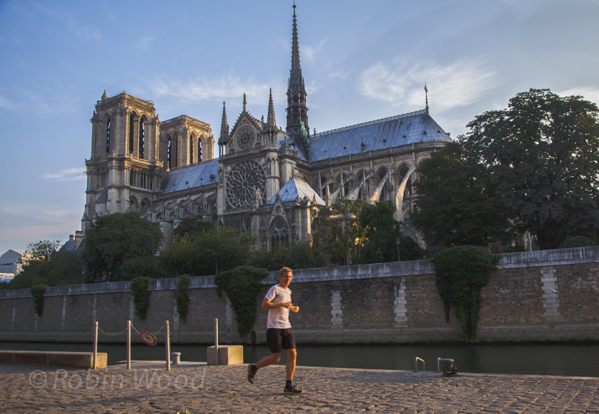
On the right bank of the Seine River that splits Paris in half stands Notre Dame Cathedral. The first stone of this ancient and enormous house of worship was laid in 1163 by Bishop Maurice de Sully. Built of limestone from nearby quarries, Notre Dame, or “Our Lady,” took almost 200 years to complete and today is the most visited site in Paris.

While Notre Dame seems hidden until relatively close due to surrounding structures, once in eyesight it immediately dominates the skyline. In cool morning air and soft light with the flowing water – before crowds arrive in the hundreds – the scene is calm, relaxing.

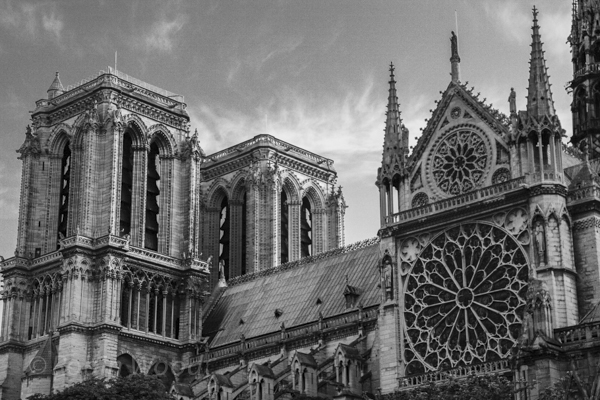
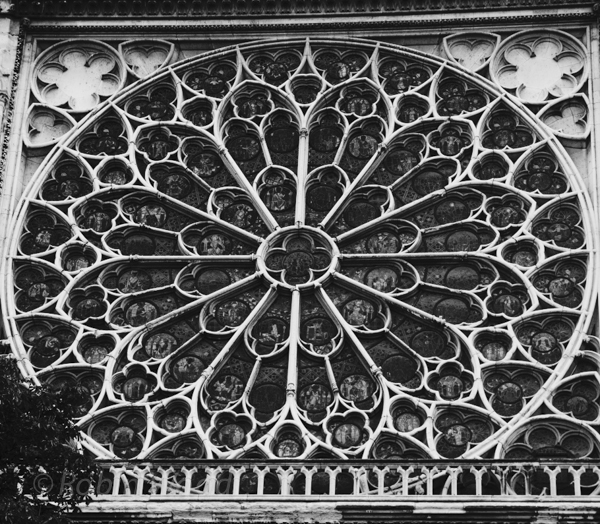
Something as simple as circling the cathedral is astounding. It radiates history. Everywhere hand-carved statues and motifs overwhelm the eyes. One can’t help but imagine simple peasant farmers in the early days seeing Notre Dame and thinking  they had seen part of heaven.

A jogger makes his way along the Seine River with Notre-Dame Cathedral in the background, July 8, 2013.

A jogger makes his way along the Seine River with Notre-Dame Cathedral in the background, July 8, 2013.

Notre Dame as seen from the left bank of the Seine River.

Notre Dame as seen from the left bank of the Seine River.

Architecture close up.

Architecture close up.

Horse looks longingly

Alaska, Photography, Street

Farmers Loop, just north of Fairbanks, still lives up to it’s name. Multiple residences have horses right along the road. There’s still a hayfield and the occasional garden visible. This photo shows a horse, at what must be a common spot for him to stand, watching people and traffic pass by. Shot at 9:26 p.m., June 16, the low sun illuminates his mane nicely.

A horse looks longin

A horse looks longin

Black and White, 35mm Moss Studies

Abstract, Alaska, Black & White, Film, Landscapes, Photography

My passion for photography began when I took a darkroom class in high school. To this day I continue to shoot film and make fiber prints, admittedly, not as much I would like.

I have long been working on a portfolio titled Creamers Field on Film. Creamers Field is an old dairy farm turned migratory waterfowl refuge. The criteria for the portfolio is simple: shot on film, at Creamers Field. Right on the northern edge of Fairbanks, with beautiful historic buildings and an incredible range of landscapes, I highly recommend a trip there for anyone visiting Fairbanks.

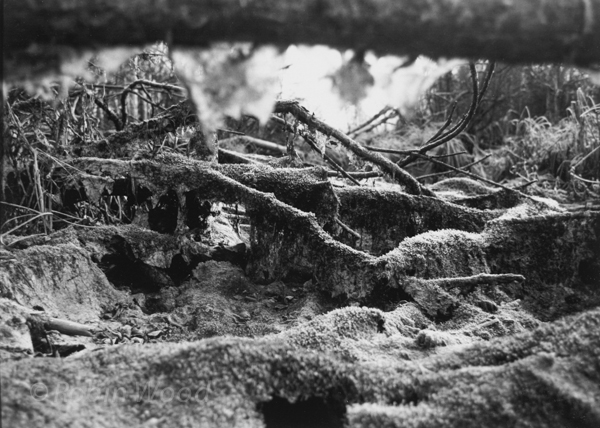
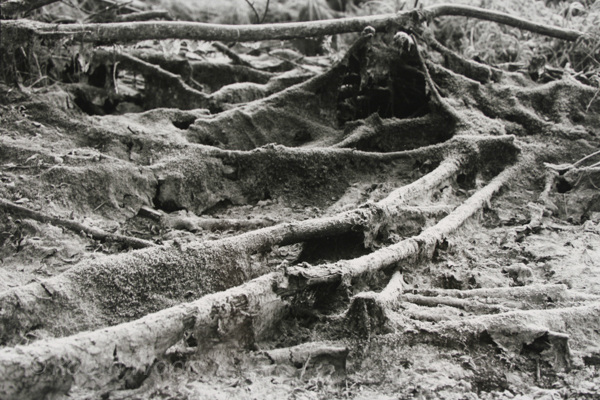
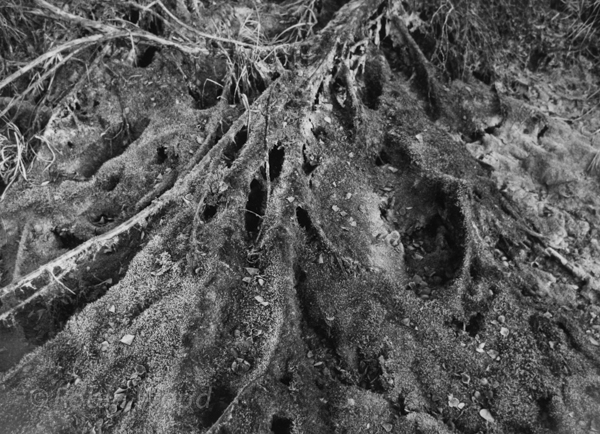
The three images today were shot on B&W 35mm Illford Delta 100, the digital files are scans from 8×10 fiber prints.

Shot just one day before the first snowfall, the moss was all but dead, resembling skin draped over bones.

CreamersMoss-2

CreamersMoss-3

CreamersMoss

Dusk and Dawn Landscapes

Alaska, Landscapes, Photography, Travel

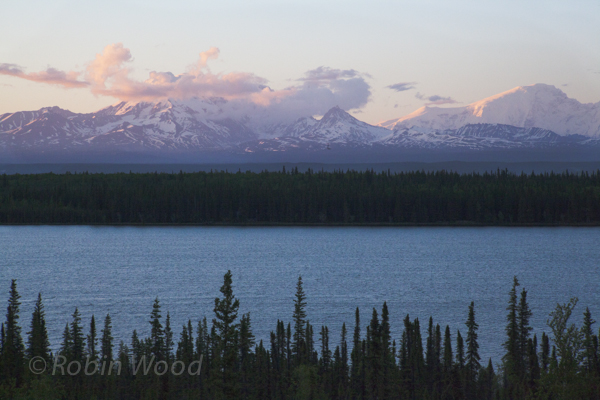
It’s a subject I’ve talked about before, long Alaskan summer light. Dusk and dawn, referred to as “golden light” in photography, are but a few short hours apart. A fishing trip to the Copper River Valley early June gave me a prime opportunity to photograph both ends.

In the first image: Alpenglow illuminates Mount Drum, left, and Mount Sanford, right. Shot at 11:10 p.m., June 11, 2013.

Alpenglow highlights mountains along the Richardson Highway,11:10 p.m., June 11, 2013.

Alpenglow highlights mountains along the Richardson Highway,11:10 p.m., June 11, 2013.

Before getting on the boat the next morning I walked down to the Copper River to photograph a gorgeous sunrise, At 4:30 in the morning, just over five hours later.

Sunrise over the Copper River at 4:30 a.m., June 11, 2013.

Sunrise over the Copper River at 4:30 a.m., June 11, 2013.