Weekly Photo Challenge: Mt. Rainier Horizions.

Landscapes, Photography, Travel, Weekly Photo Post

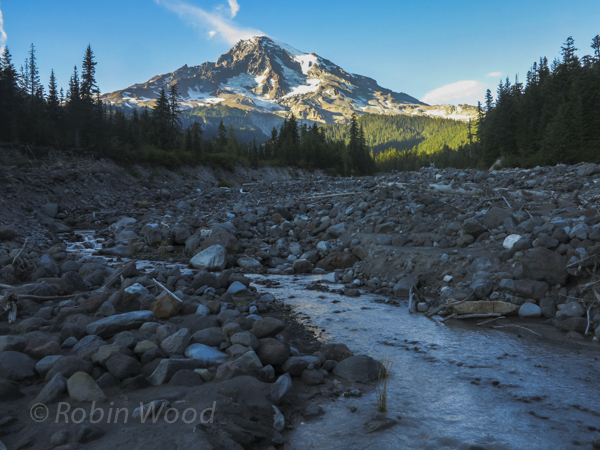
Above: A riverbed in late fall offers little more then a creek winding into Mt. Rainier.

The horizon, like the end of a rainbow, is unreachable. Constantly changing – expanding and contracting, becoming more open or more obscured. Horizons inspire adventures and dreams, spawn stunning sunsets and create wonders. 

Horizon is also the weekly photo challenge. 

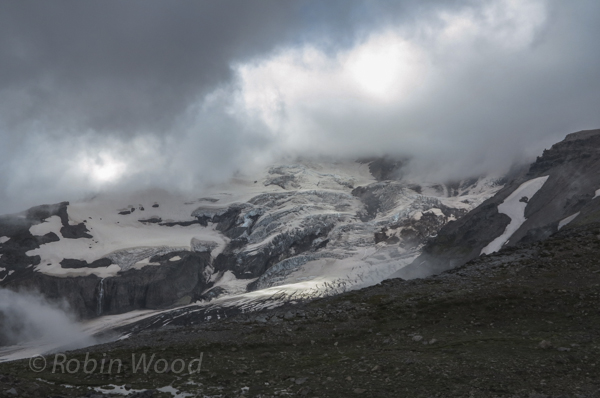
Paradise, located 5,400 feet up Washington’s Mt. Rainer, can supply spectacular views. As well as keep them completely hidden. I got a taste of both possibilities hiking there August, 2012. 

Clouds lift, if only for a moment, to reveal a expansive view.

Clouds lift, if only for a moment, to reveal a expansive view.

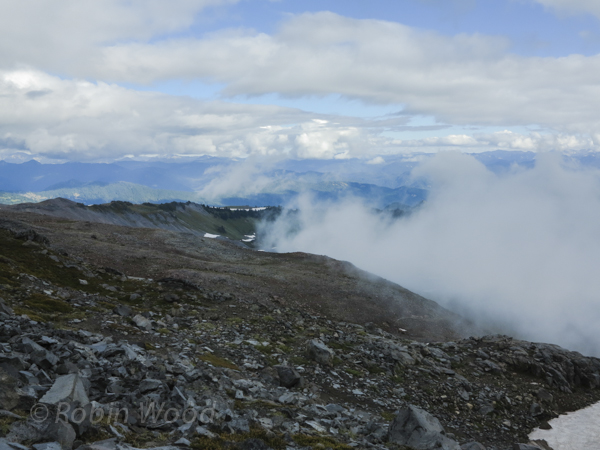
This time clouds descended to create a more abstract horizon line.

This time clouds descended to create a more abstract horizon line.

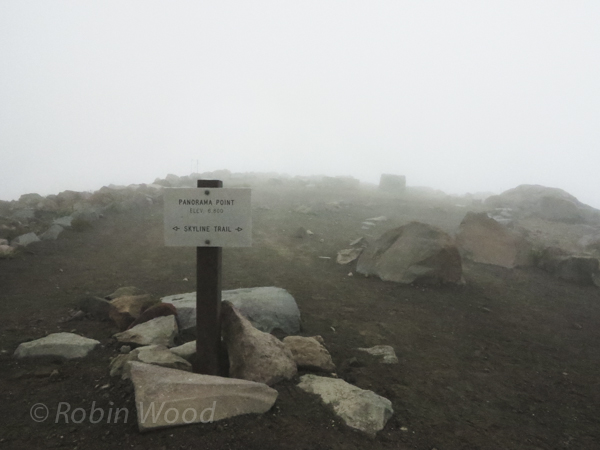
Again clouds create the horizon, no panorama today.

Again clouds create the horizon, no panorama today. Panorama Point, elevation 6,800 feet. 

Post Number 100!

Abstract, Alaska, Black & White, Landscapes, Portraits, Travel, Uncategorized

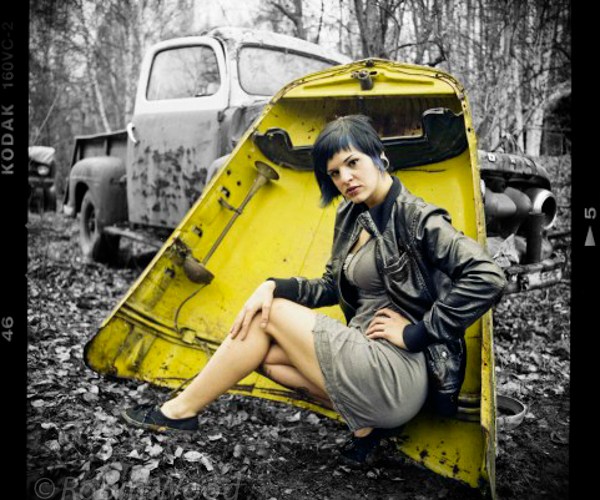
Above: Heidi in the Hood, a selectively-saturated portrait.

It sounds and feels like a lot – this is my 100th post. Thanks to everyone who visits! I have spent a lot of time running Far North Light and loved every minute. It’s great to have so many people show an interest in seeing things through my lens for a little while.

To commemorate 100 posts I have made major formatting changes. Most notable is the blogs appearance, it now includes a homepage with a slideshow, and will in the future include more galleries and portfolios. Please check out my updated about page as well.

I decided there would be no better way to mark 100 posts then to revisit some of the most popular. Note: as this is the second incarnation of Far North Light some of the images were not previously on the blog, but needed to be revisited regardless.

Do you have a favorite photo that I didn’t include in the best-of? Let me know and I’ll make a follow-up post.

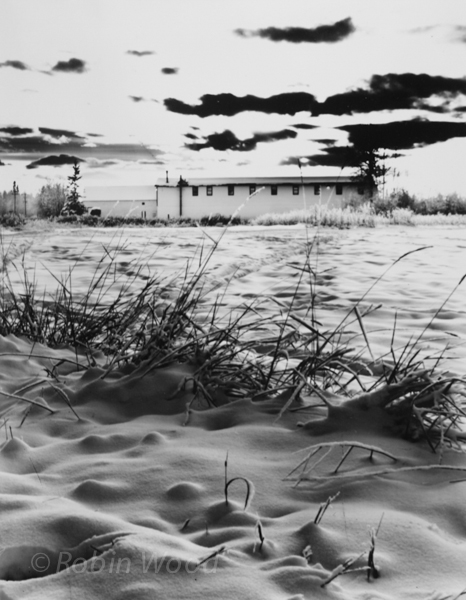
Strange Day was the first 4×5 large-format negative I ever took, and one of my first images ever accepted into a juried art show. The following image is a scanned silver-gelatin fibre print. If I knew how I achieved such black clouds, I would tell you.
Strange Day

Strange Day

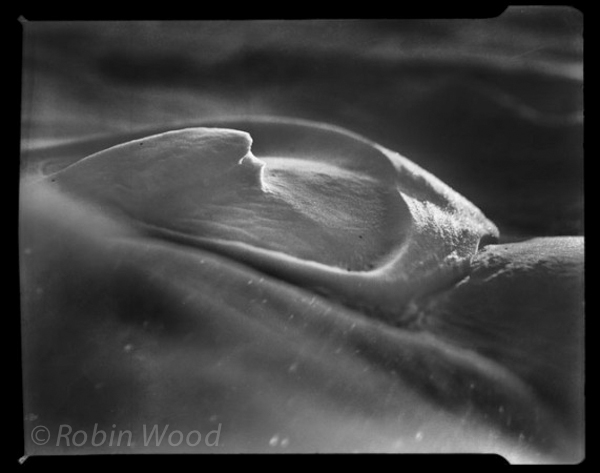
Stange Day was taken at Creamers Field, which was a diary farm and is now a migratory wildfowl refuge, and one of my favorite places to photograph. It’s excellent for everything from landscapes to portraits. The next is a wind drift closeup from Creamers, also 4×5.
Wind Drift

Wind Drift


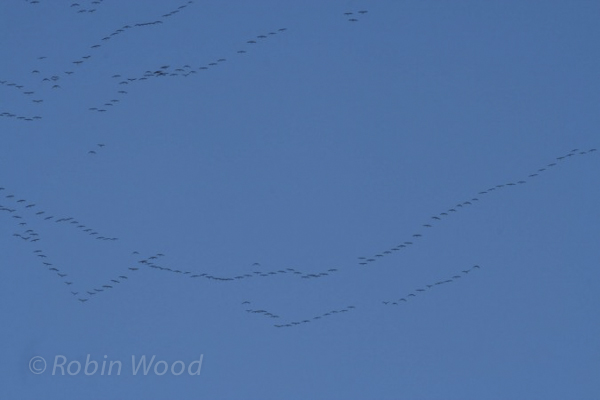
I don’t often go in search of wildlife, but when given the opportunity do photograph it.
Migrating Canada geese.

Migrating Canada geese.

One of my favorite posts is from Halloween 2012. 
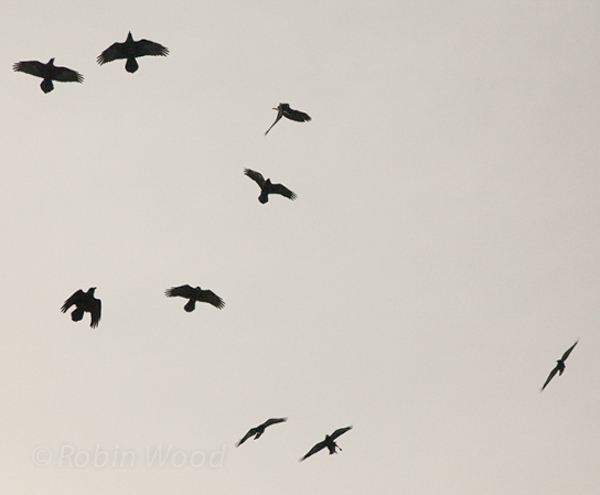
Ravens play on a windy Halloween day.

Ravens play on a windy Halloween day.

No compilation post about photography would be complete without some of my photojournalism. From Oct. 17, 2012
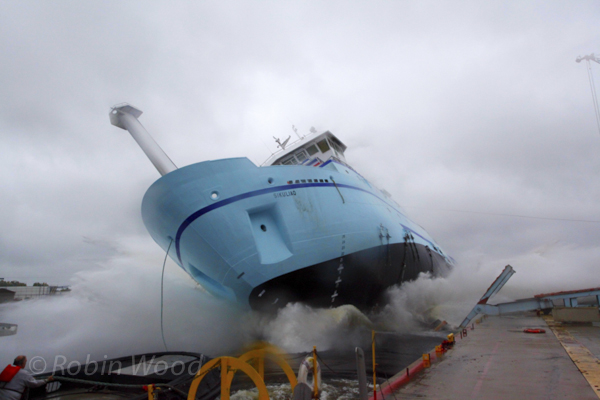
Research Vessel Sikuliaq gets its first taste of the water, Marinette, Wis.

Research Vessel Sikuliaq gets its first taste of the water, Marinette, Wis.

And from my coverage of presidential candidate Ron Paul’s visit to Fairbanks.
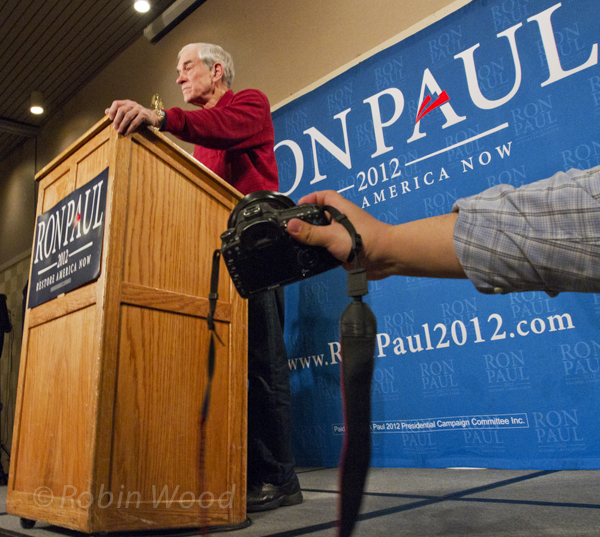
Ron Paul visists Fairbanks, Alaska.

Ron Paul speaks in Fairbanks, March 4, 2011.

As I’m sure is obvious this is but a small collection of the posts and stories I’ve shared. Many of my personal favorites I put into the homepage slide show. I hope you enjoyed, and stay tuned for many more images!
Potatoes and Romanesco

Abstract, Alaska, Black & White, Macro, Photography

Above: The odd green color makes romanesco feel even more bizarre.

Continuing the harvest theme from my last post about blueberries, it is fall after all, today includes some vegetables grown in my garden. Few things are more satisfying then a delicious home-cooked meal made with food you grew. Much like the blueberries, it can be difficult to find time to photograph vegetables rather then planting, picking or eating them. So here’s a few photos of some photogenic plants.

Potatoes are my family’s main crop, and come in many varieties. My favorite is probably Irish Reds. They work for many recipes, and look fantastic.

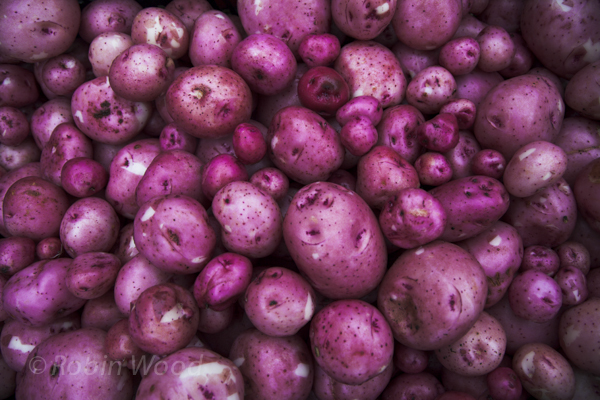
Fresh washed Irish Reds.

Fresh washed Irish Reds.

One vegetable perhaps more known for its appearance then its use as a food is romanesco, from the cauliflower family. Occasionally called “martian vegetable” for the lime green color and spiraling fractals that form the structure, it can be a very perplexing plant.

I chose black and white to emphasize the plants form.

Spiraling romanesco - repeating patterns play with the eye.

Spiraling romanesco – repeating patterns play with the eye.

Cluny Museum: Lines and patterns.

Photography, Travel, Uncategorized

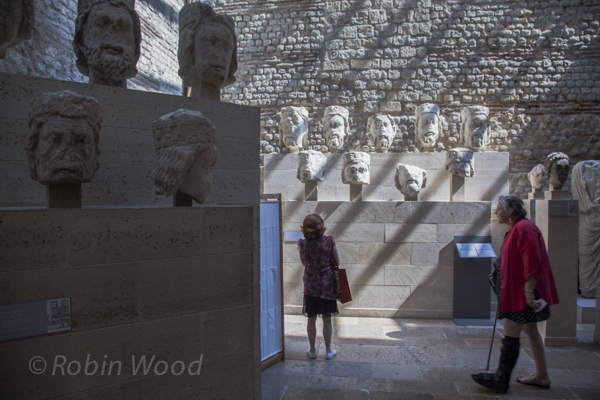
Above: Cascading light and rough masonry from Cluny Museum architecture create lines and patterns.  I like how the busts on the left and lady on the right direct the eye toward the smaller lady nearly dwarfed by rock.

Located in Paris, France, Musee de Cluny occupies two gorgeous buildings, the 1st century Gallo-Roman baths of Lutece and the  15th century townhouse of the abbots of Cluny.

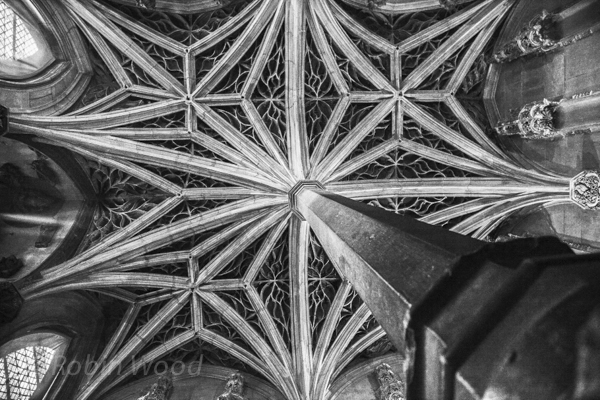
The highlight for me was the amazing architecture of the building, one ceiling in particular.

The the many triangles with inlaid s-patterns are perfectly suited to the  Weekly Photo Challenge: “From lines to patterns.” The following photo uses a simple tactic. Setting the camera flat on its back, to get as much of the roof as possible.

A ceiling in the Cluny Museum in black a white. July 8, 2013.

A ceiling in the Cluny Museum in black and white. July 8, 2013.

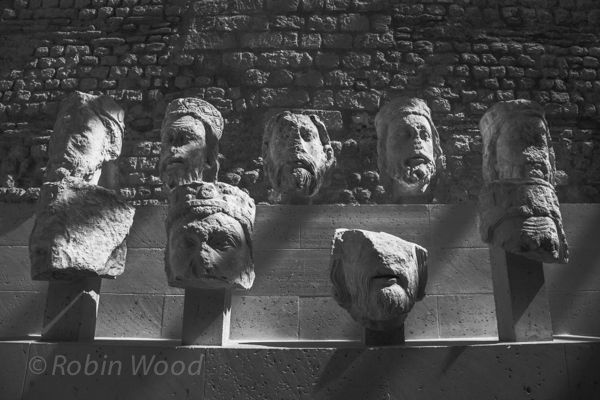
The ancient busts have long seen wear and tear.

MuseeCluny-7

Jardin du Luxembourg

architecture, Photography, Street, Travel

The Luxembourg Gardens: The second largest public park in Paris and home to Luxembourg Palace, where the French Senate convene. A popular place in Paris to spend a sunny day. Be careful where you walk, most of the grass is off limits to pedestrians, resulting in quick intervention by a security guard.

Fountains and flowers occupy the central area, backdropped by Luxembourg Palace.

Enjoying sun and scenery at Luxomberg Gardens, July 6, 2013.

Enjoying sun and scenery at Luxomberg Gardens, July 6, 2013.

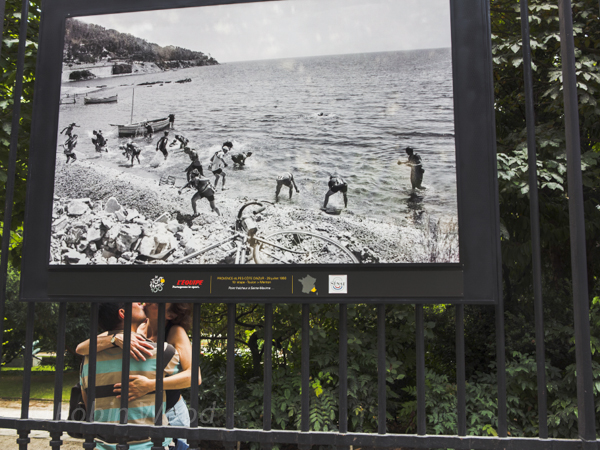
2013 marked the 100th anniversary of the Tour de France, the iconic bicycle race which traverses France. To commemorate the milestone large photos of the race from every generation were mounted on the fence surrounding Jardin du Luxembourg.

While they were all very lovely to look at, creating a visual snapshot over a century of change, I found the most interesting photo involved what hid behind.

Sharing a kiss behind a Tour de France photo dated  July 29, 1950.

Sharing a kiss behind a Tour de France photo dated July 29, 1950.

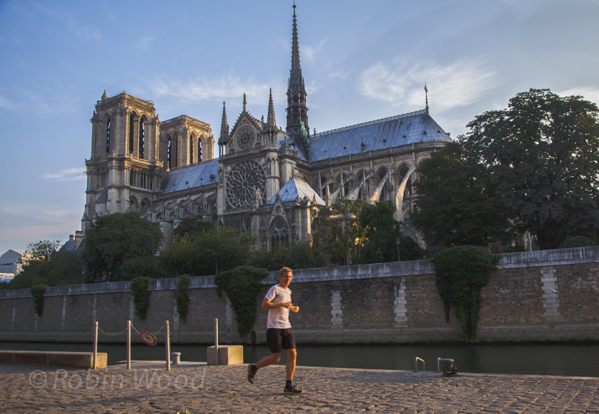
Notre Dame Cathedral as seen from the left bank Seine River.

architecture, Black & White, Photography, Travel

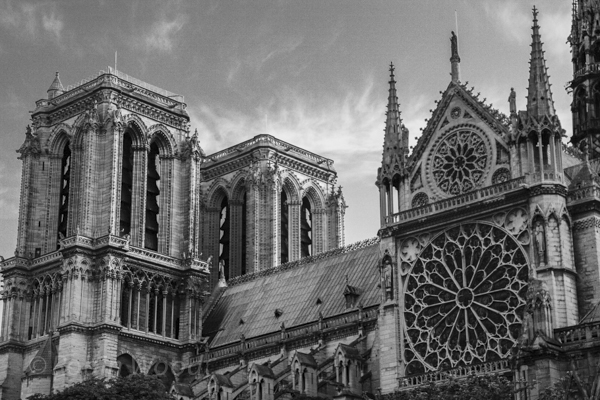
On the right bank of the Seine River that splits Paris in half stands Notre Dame Cathedral. The first stone of this ancient and enormous house of worship was laid in 1163 by Bishop Maurice de Sully. Built of limestone from nearby quarries, Notre Dame, or “Our Lady,” took almost 200 years to complete and today is the most visited site in Paris.

While Notre Dame seems hidden until relatively close due to surrounding structures, once in eyesight it immediately dominates the skyline. In cool morning air and soft light with the flowing water – before crowds arrive in the hundreds – the scene is calm, relaxing.

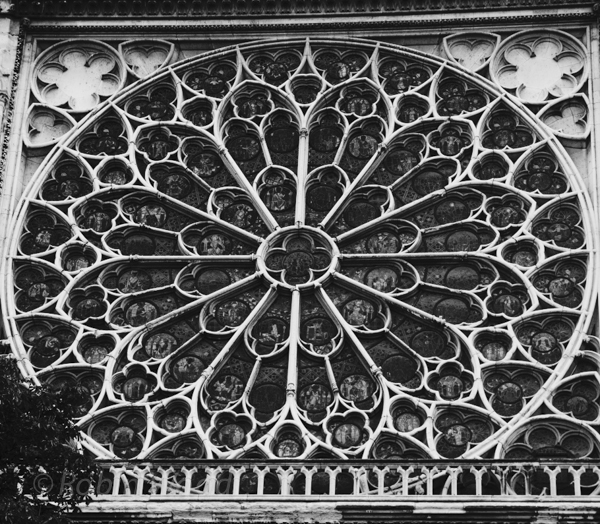
Something as simple as circling the cathedral is astounding. It radiates history. Everywhere hand-carved statues and motifs overwhelm the eyes. One can’t help but imagine simple peasant farmers in the early days seeing Notre Dame and thinking  they had seen part of heaven.

A jogger makes his way along the Seine River with Notre-Dame Cathedral in the background, July 8, 2013.

A jogger makes his way along the Seine River with Notre-Dame Cathedral in the background, July 8, 2013.

Notre Dame as seen from the left bank of the Seine River.

Notre Dame as seen from the left bank of the Seine River.

Architecture close up.

Architecture close up.

Weekly Photo Challenge: The Golden Hour, Versailles, France.

Photography, Street, Travel, Weekly Photo Post

The golden hour is the current weekly photo challenge. Around sunrise or sunset the sun’s low angle causes more diffusions in the atmosphere and casts long shadows. The result can be spectacular light. I used to strictly time my photography around this time, until one day a teacher asks when the best time to take a photo was. I replied “the golden hour” to which he responded, the best time to take a photo is anytime. While I still prefer catching the dramatic and soft lighting prone to the golden hour, that piece of advice has stuck with me and greatly influenced my photographing habits.

These two images were recently taken in the town of Versailles, France.

Apparently weary of my camera, a dad plays with his son during sunset.

Apparently weary of my camera, a dad plays with his son during sunset.

Pedestrians cast long shadows walking by packed cafes.

Pedestrians cast long shadows walking by packed cafes.

Black and White, 35mm Moss Studies

Abstract, Alaska, Black & White, Film, Landscapes, Photography

My passion for photography began when I took a darkroom class in high school. To this day I continue to shoot film and make fiber prints, admittedly, not as much I would like.

I have long been working on a portfolio titled Creamers Field on Film. Creamers Field is an old dairy farm turned migratory waterfowl refuge. The criteria for the portfolio is simple: shot on film, at Creamers Field. Right on the northern edge of Fairbanks, with beautiful historic buildings and an incredible range of landscapes, I highly recommend a trip there for anyone visiting Fairbanks.

The three images today were shot on B&W 35mm Illford Delta 100, the digital files are scans from 8×10 fiber prints.

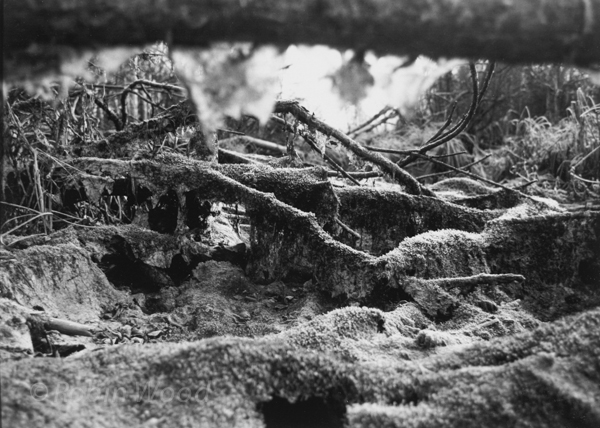
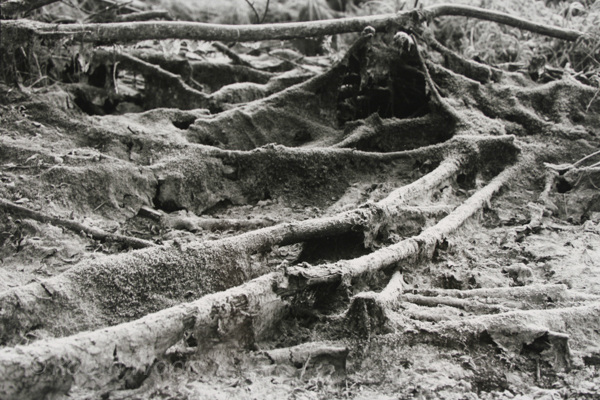
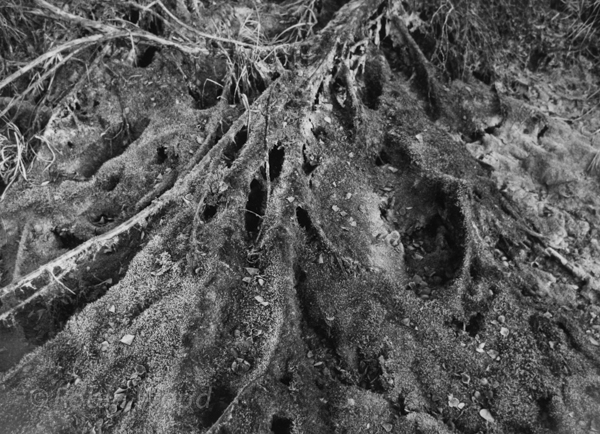
Shot just one day before the first snowfall, the moss was all but dead, resembling skin draped over bones.

CreamersMoss-2

CreamersMoss-3

CreamersMoss

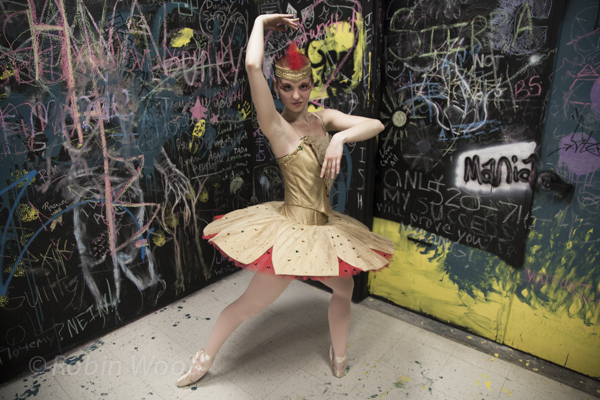
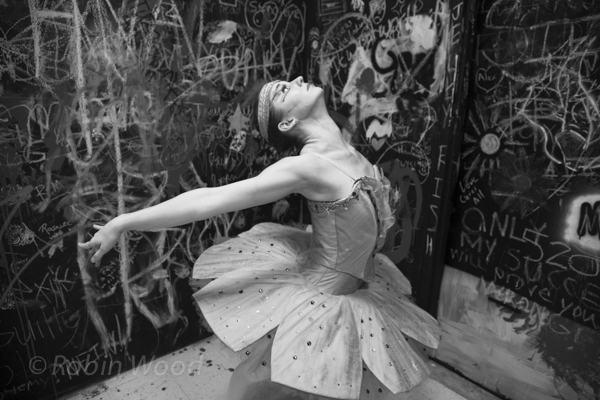
Wendy as The Firebird in UAF’s Graffiti Hall

Abstract, Alaska, Black & White, Photography, Portraits

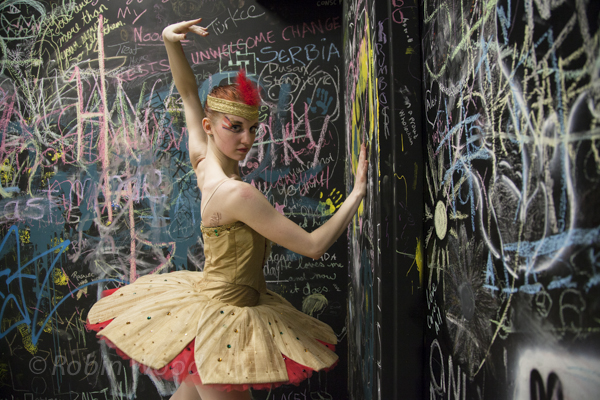
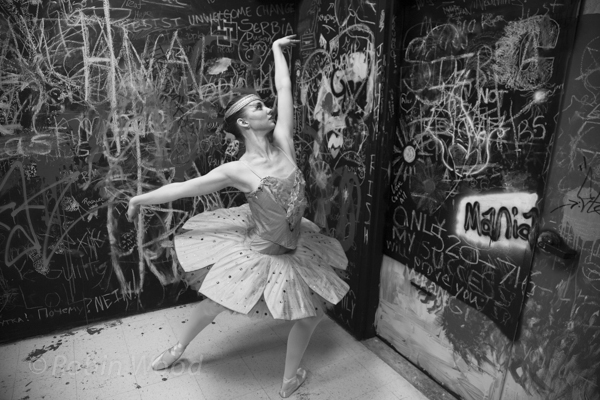
Between performances of The Firebird Wendy did a quick photo shoot in the graffiti hall, right outside the Salisbury Theatre.

With only time for a short shoot, and unsure the aesthetic I was going for, I decided just to experiment with the lively and colorful background. The difference between color images and black and white is stark. Even with slight desaturation, there is a color discord which emphasizes certain forms and elements. Black and white images seem to be more about mood and design.

I think I like the black and white. I’m sure I’m biased.

WendyGraffiti-6

WendyGraffitiBW-2

WendyGraffiti-2

WendyGraffitiBW-3

Music Monday: Bruce Adolphe

Alaska, Black & White, Music, Photography, Portraits

I’ve said it before, I’ll say it again: raw files are superior to jpeg. It is rather disappointing to be photographing and realize the camera is only recoding jpegs. That is what happened during this shoot. Enough on that.

Perhaps best known for his weekly Pianno Puzzlers segment on NPR’s Performance Today, Bruce Adolphe recently played in Fairbanks.  Piano Puzzlers, as his website describe, “…Adolphe at the piano, playing folk tunes and popular songs in the styles of famous Classical composers,” was played with live contestants in the studio for the first time ever on Alaska Live, at KUAC.

All three contestants got the answers right, check out the puzzlers, fun conversations, and great piano playing in a series of two podcasts.

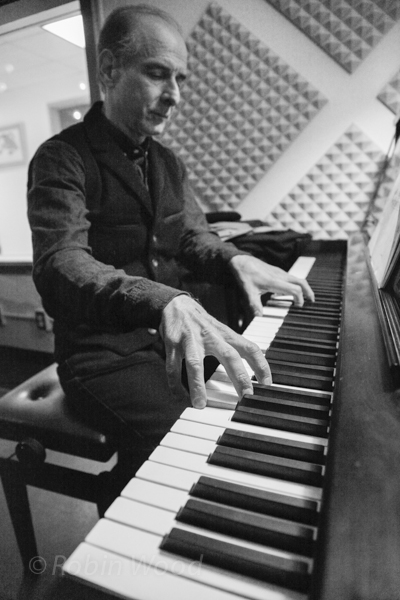
Bruce Adolphe, host of Piano Puzzler, warms up before playing for conetestants.

Bruce Adolphe, host of Piano Puzzler, warms up before playing for conetestants.

BruceAdolphe-5

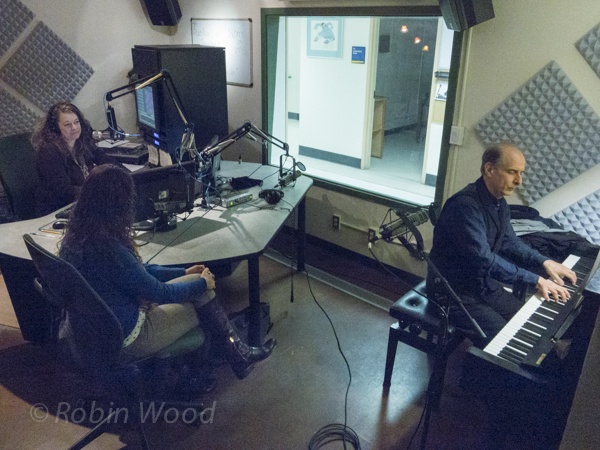
Bruce Adolphe plays a Piano Puzzler for contestant April Jaillet.

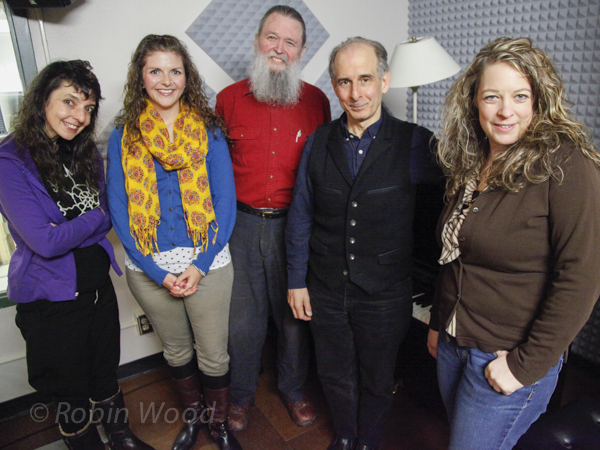
Left to right: Maryanne Babij, April Jaillet, Jeff Iverson, Bruce Adolphe and host Lori Neufeld.