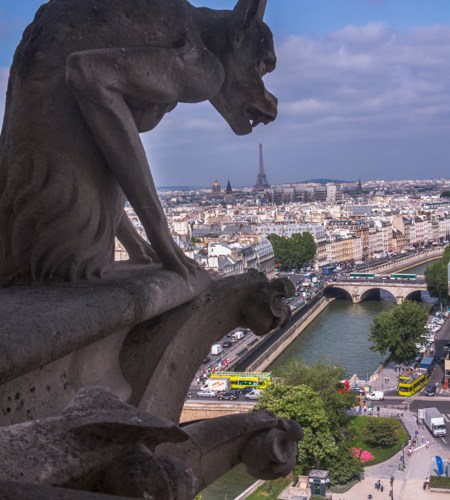
Paris from the top of Notre Dame Cathedral

Photography, Travel

Above: A gargoyle looks over Paris and the Seine River, with the Eiffel Tower far in the background.

Scaling the skinny 400-step spiral staircase in the west buttress of Notre Dame Cathedral is not easy. It is a fascinating, historical experience, and well worth the wait in line.

First stop is the chimera gallery – chimera meaning animal – which features an array of mythical creatures. At 46 meters, or 151 feet, above the ground you’re already above much of the Paris skyline.

The Chimera gallery is the same height as the Cathedrals main roof. The bronze statues visible are some of the 12 apostles.
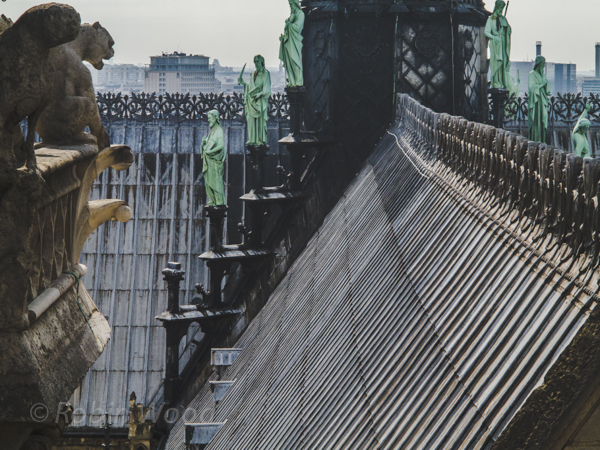
The roof of Notre Dame Cathedral and apostle statues, July 10, 2013.

The roof of Notre Dame Cathedral and apostle statues, July 10, 2013.

After crossing the gallery more stairs are in store. The top of the belfry is an impressive 69 meters, 226 feet, above ground. Here a full 360 degree view of paris is attained, as well as a feeling of helplessness if there were to be an emergency.

The roof of the previous picture can be seen leading into the cathedrals spire with the apostle statues. The Seine river winds out of the frame. The only thing more impressive then the view is realizing the tower is roughly 800 years old!

The very top of Notre Dame Cathedral looking west.

The very top of Notre Dame Cathedral, looking west.

Post Number 100!

Abstract, Alaska, Black & White, Landscapes, Portraits, Travel, Uncategorized

Above: Heidi in the Hood, a selectively-saturated portrait.

It sounds and feels like a lot – this is my 100th post. Thanks to everyone who visits! I have spent a lot of time running Far North Light and loved every minute. It’s great to have so many people show an interest in seeing things through my lens for a little while.

To commemorate 100 posts I have made major formatting changes. Most notable is the blogs appearance, it now includes a homepage with a slideshow, and will in the future include more galleries and portfolios. Please check out my updated about page as well.

I decided there would be no better way to mark 100 posts then to revisit some of the most popular. Note: as this is the second incarnation of Far North Light some of the images were not previously on the blog, but needed to be revisited regardless.

Do you have a favorite photo that I didn’t include in the best-of? Let me know and I’ll make a follow-up post.

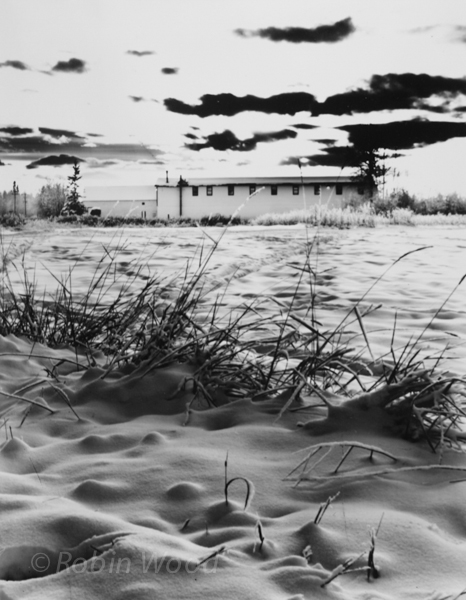
Strange Day was the first 4×5 large-format negative I ever took, and one of my first images ever accepted into a juried art show. The following image is a scanned silver-gelatin fibre print. If I knew how I achieved such black clouds, I would tell you.

Strange Day

Strange Day

Stange Day was taken at Creamers Field, which was a diary farm and is now a migratory wildfowl refuge, and one of my favorite places to photograph. It’s excellent for everything from landscapes to portraits. The next is a wind drift closeup from Creamers, also 4×5.

Wind Drift

Wind Drift


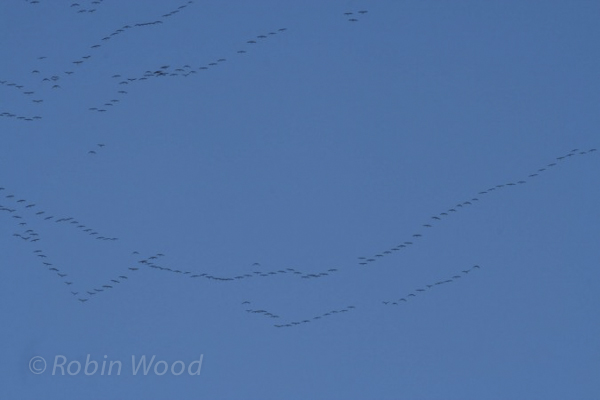
I don’t often go in search of wildlife, but when given the opportunity do photograph it.

Migrating Canada geese.

Migrating Canada geese.

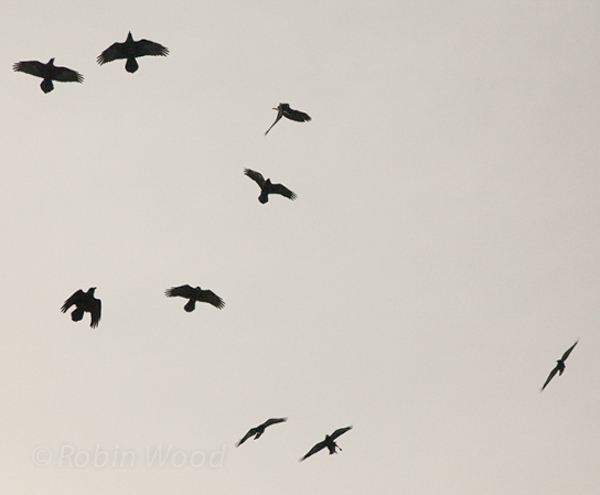
One of my favorite posts is from Halloween 2012. 

Ravens play on a windy Halloween day.

Ravens play on a windy Halloween day.

No compilation post about photography would be complete without some of my photojournalism. From Oct. 17, 2012

Research Vessel Sikuliaq gets its first taste of the water, Marinette, Wis.

Research Vessel Sikuliaq gets its first taste of the water, Marinette, Wis.

And from my coverage of presidential candidate Ron Paul’s visit to Fairbanks.

Ron Paul visists Fairbanks, Alaska.

Ron Paul speaks in Fairbanks, March 4, 2011.

As I’m sure is obvious this is but a small collection of the posts and stories I’ve shared. Many of my personal favorites I put into the homepage slide show. I hope you enjoyed, and stay tuned for many more images!

Potatoes and Romanesco

Abstract, Alaska, Black & White, Macro, Photography

Above: The odd green color makes romanesco feel even more bizarre.

Continuing the harvest theme from my last post about blueberries, it is fall after all, today includes some vegetables grown in my garden. Few things are more satisfying then a delicious home-cooked meal made with food you grew. Much like the blueberries, it can be difficult to find time to photograph vegetables rather then planting, picking or eating them. So here’s a few photos of some photogenic plants.

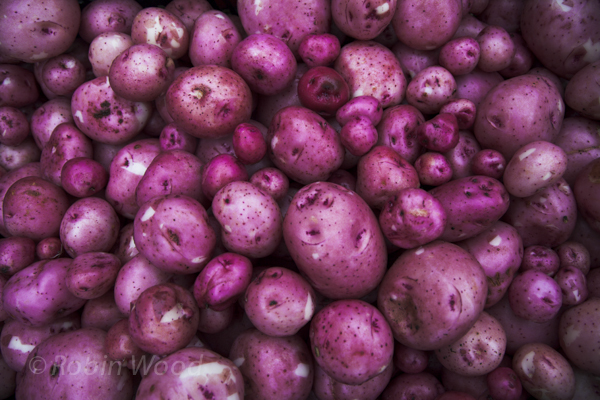
Potatoes are my family’s main crop, and come in many varieties. My favorite is probably Irish Reds. They work for many recipes, and look fantastic.

Fresh washed Irish Reds.

Fresh washed Irish Reds.

One vegetable perhaps more known for its appearance then its use as a food is romanesco, from the cauliflower family. Occasionally called “martian vegetable” for the lime green color and spiraling fractals that form the structure, it can be a very perplexing plant.

I chose black and white to emphasize the plants form.

Spiraling romanesco - repeating patterns play with the eye.

Spiraling romanesco – repeating patterns play with the eye.

Vibrant and Healthy Blueberries

Alaska, Landscapes, Macro, Photography

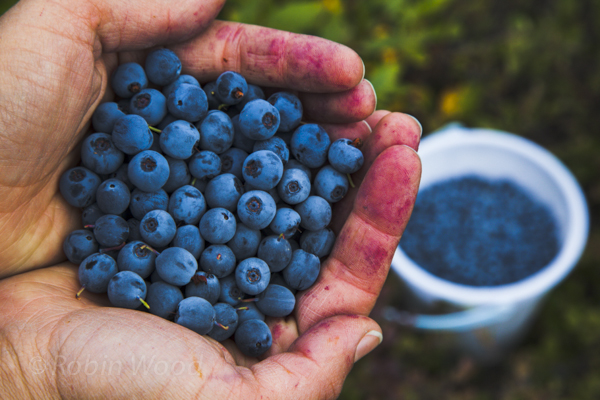
Above: Handfull and bucket full of berries.

Fall in Alaska brings much more then decreasing temperatures and less daylight. Gorgeous colors fill the hills while harvests fill the pantries. The near total daylight of summer allows great success over the short growing season. The harsher, cooler climate vegetation endure make for sweet and succulent food.

Blueberries are both incredibly tasty and incredibly healthy. Packed with antioxidants, blueberries are often called a brain food for their anti-aging and protection-properties for brain neurons. A 2012 article from Alaska Dispatch describes how antioxidants “pick up loose oxygen-seeking substances that, left to roam, will ultimately find a healthy cell to deplete.” WIld Alaskan berries have repeatedly tested to be much higher then farmed berries in health benefits.

The vibrant colors also fit in nicely with the Weekly Photo Challenge: Saturated. 

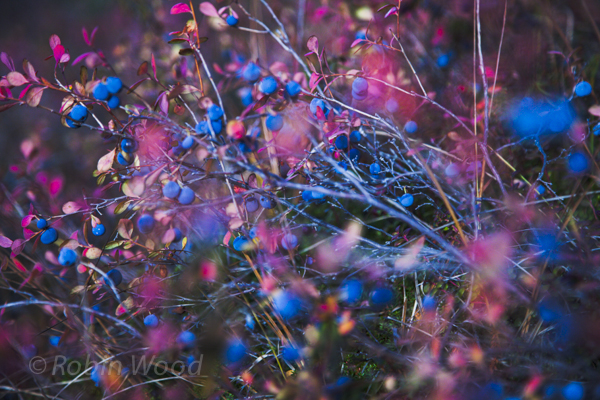
Berries topped with dew rest on a branch.

Berries topped with dew rest on a branch.

A sea of color.

A sea of color.

More Cluny Museum – Stained Glass

Photography, Travel

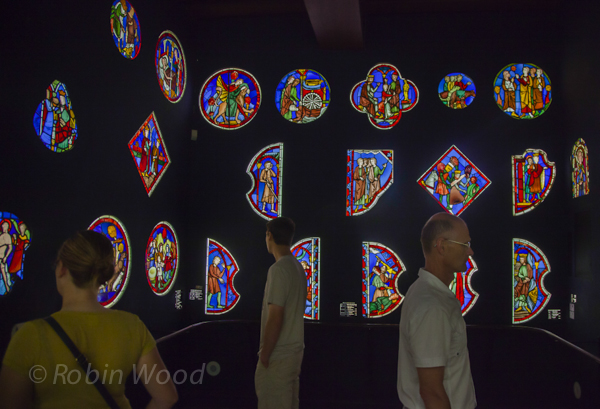
Above: Visitors take in the colorful array of stained glass, July 8, 2013.

Once again the weekly photo challenge lends itself nicely to the Cluny Museum in Paris, France: Saturation. Saturation is a pretty simple concept, the intensity of color relative to brightness. A vibrant flower or dramatic rainbow would be saturated. Completely unsaturated would be black and white.

My last post dealt with lines and pattern of Musee De Cluny architecture. There is also a small stained glass room inside the museum. The nearly pitch black ambiance dramatically increases the vividness of the centuries old glassworks.

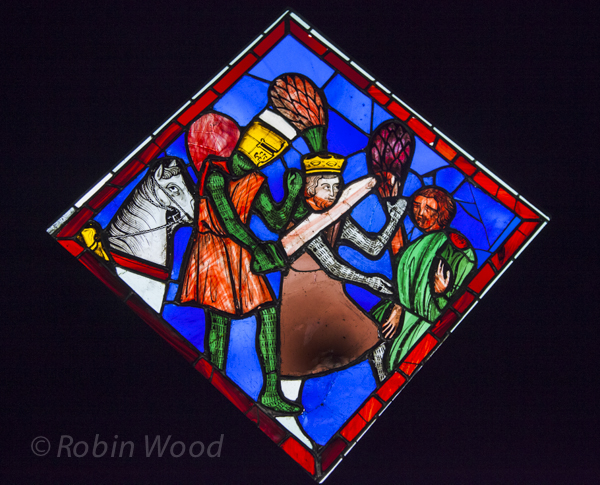
Storytelling was the main function of these colorful creations. Most depicted people, many seemed to deal with religious or revolutionary subjects, and more then a few dealt with violence.

ClunyStainedGlass-2

The overthrow and subsequent beheading of a king.

Perhaps symbolizing the temptation from satan.

Perhaps symbolizing temptation from satan.

Cluny Museum: Lines and patterns.

Photography, Travel, Uncategorized

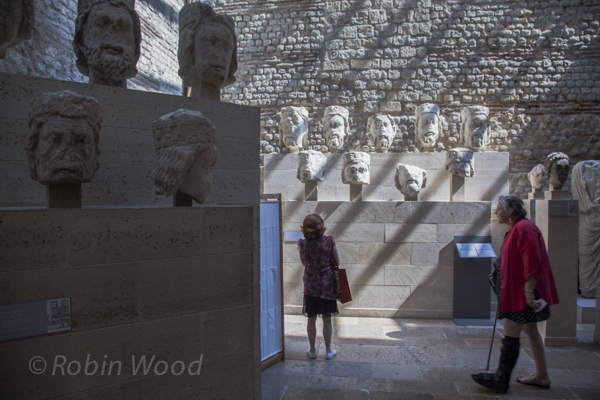
Above: Cascading light and rough masonry from Cluny Museum architecture create lines and patterns.  I like how the busts on the left and lady on the right direct the eye toward the smaller lady nearly dwarfed by rock.

Located in Paris, France, Musee de Cluny occupies two gorgeous buildings, the 1st century Gallo-Roman baths of Lutece and the  15th century townhouse of the abbots of Cluny.

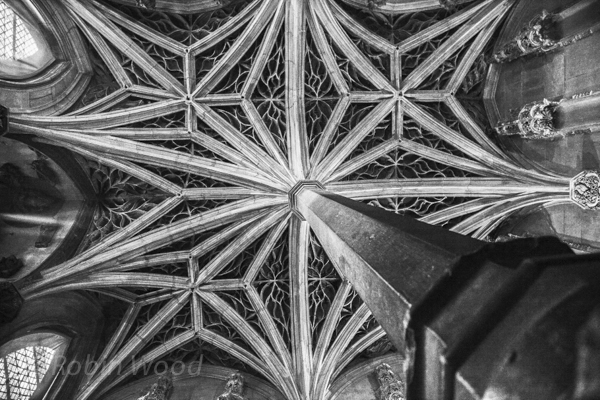
The highlight for me was the amazing architecture of the building, one ceiling in particular.

The the many triangles with inlaid s-patterns are perfectly suited to the  Weekly Photo Challenge: “From lines to patterns.” The following photo uses a simple tactic. Setting the camera flat on its back, to get as much of the roof as possible.

A ceiling in the Cluny Museum in black a white. July 8, 2013.

A ceiling in the Cluny Museum in black and white. July 8, 2013.

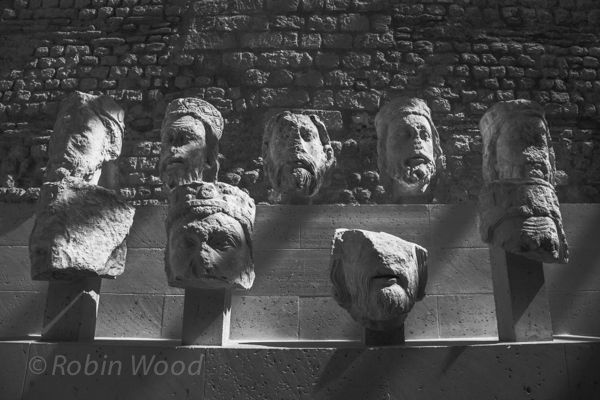
The ancient busts have long seen wear and tear.

MuseeCluny-7

Jardin du Luxembourg

architecture, Photography, Street, Travel

The Luxembourg Gardens: The second largest public park in Paris and home to Luxembourg Palace, where the French Senate convene. A popular place in Paris to spend a sunny day. Be careful where you walk, most of the grass is off limits to pedestrians, resulting in quick intervention by a security guard.

Fountains and flowers occupy the central area, backdropped by Luxembourg Palace.

Enjoying sun and scenery at Luxomberg Gardens, July 6, 2013.

Enjoying sun and scenery at Luxomberg Gardens, July 6, 2013.

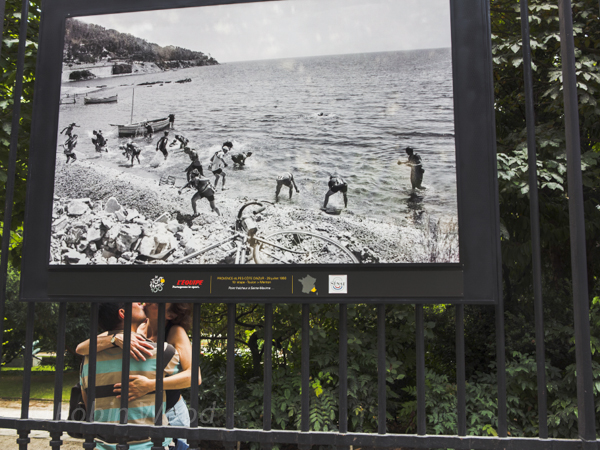
2013 marked the 100th anniversary of the Tour de France, the iconic bicycle race which traverses France. To commemorate the milestone large photos of the race from every generation were mounted on the fence surrounding Jardin du Luxembourg.

While they were all very lovely to look at, creating a visual snapshot over a century of change, I found the most interesting photo involved what hid behind.

Sharing a kiss behind a Tour de France photo dated  July 29, 1950.

Sharing a kiss behind a Tour de France photo dated July 29, 1950.

Complementary colors crossing the street

Photography, Street, Travel

Street photography is one of my least proficient genres. And judging by the amount of blurry pictures I took on my trip I  need to use a faster shutter speed or take more time. Likely the latter.

There is an old adage “f8 and wait,” referring to the f8 aperture which provides a fairly large depth-of-field (the amount of the imagine in focus.) This is a valuable tip, if you’re stationary. I think for me a fast shutter speed would be more valuable since I’m often moving with the subjects.

WIth all that said, this next shot literally passed me up, and I grabbed the only – almost sharp – shot I could.

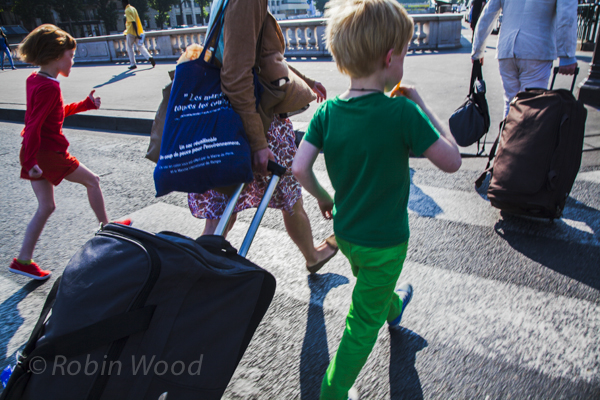
Crossing a street in Paris a family of four, being led by the dad in a large hurry, hustled by. Without even bringing the camera to my eyes I shot a single, hip-level frame, which does a nice job emphasizing the children. Even without being sharp I absolutely love the complementary colors of  the kid’s clothing.

Color theory states warm colors – yellow, orange, red – will appear closer in the frame, even when in the background. So the pedestrian in the yellow shirt is a strong figure.

I like the shot, but 1/125th of a second was not fast enough.

ComplimentaryCrossing

Weekly Photo Challenge: Focus, on the Notre Dame Cathedral and roses.

architecture, Travel, Uncategorized, Weekly Photo Post

Focus – a powerful concept that applies to so much more then photography. Naturally, when thinking of focus I think equally of the opposite, unfocused. The difference is apparent as black and white. Sharp or fuzzy. Crisp or cloudy. Clear or muddy. Focus is a powerful tool to draw the eye and attract attention. Focus is necessary in all aspects of life – from reading and writing to work and sports.

In photography focus is fairly straightforward. Often my first question when editing a photo: What is in focus? Little is more disheartening then finding a lovely composed and well-timed shot, then realizing the subject matter is out-of-focus. Worse, nothing in focus.

The following two photos are Notre Dame Cathedral in Paris in the background and roses in the foreground. The different focal point and shallow depth-of-field provides a dramatic difference in the images feelings.

With the roses in focus the image feels soft, almost delicate.

Roses and Notre Dame Cathedral. July 8th, 2013.

Roses and Notre Dame Cathedral 1. July 8, 2013.

The following photo, with Notre Dame in focus (perhaps almost in focus,) feels more grandeur.

Roses and Notre Dame 2. July 8, 2013.

Roses and Notre Dame Cathedral 2. July 8, 2013.

These are two images from six weeks I just spent traveling throughout Europe. I will continue to post images of my travels, many with history about the subjects. So please stay tuned!

Concert In the Garden: Susan Grace

Alaska, Music, Photography

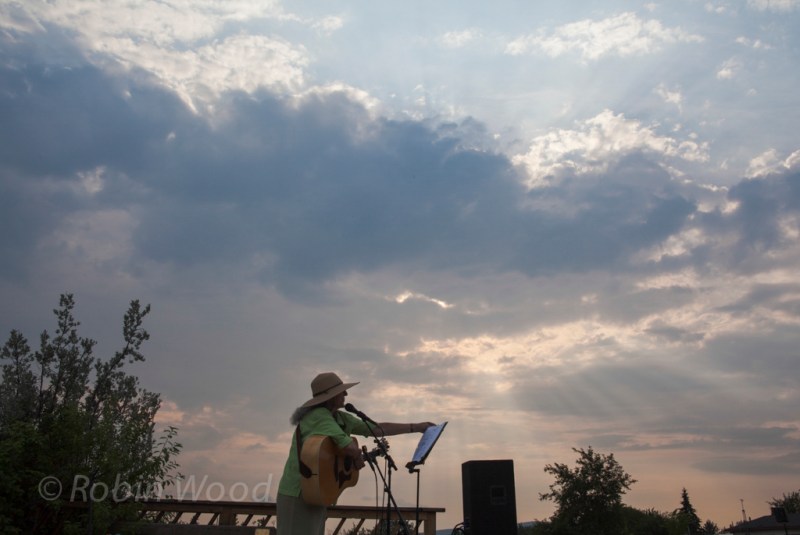
Once again from UAF Summer Sessions, Concert in the Garden performance by Susan Grace, Alaskan troubadour, singer and songwriter. Her songs analyzing the effect humans have on the planet were made more poignant by the smoke blowing in from a nearby wildfire. It wasn’t enough to deter people from enjoying the music. The concert took place June 17, 2013 at the Georgeson Botanical Gardens.

Sun rays streak through smoke.

Sun rays streak through smoke.

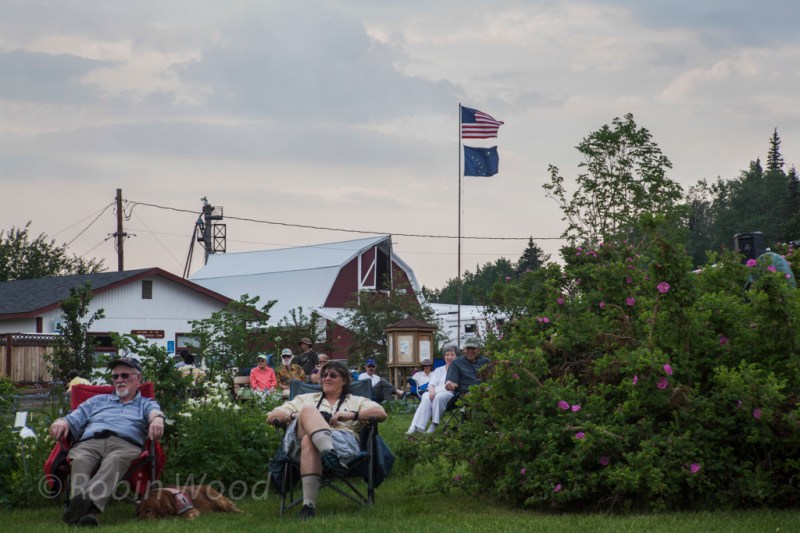
Flags fly at UAF's Georgeson Botanical Garden.

Flags fly at UAF’s Georgeson Botanical Garden.

Concert in the Garden was a fantastic event to photograph. So much is happening in a very compact area, allowing for photographs with many different elements.

Checking out the train.

Checking out the train.

Work for some, play for others.

Work for some, play for others.

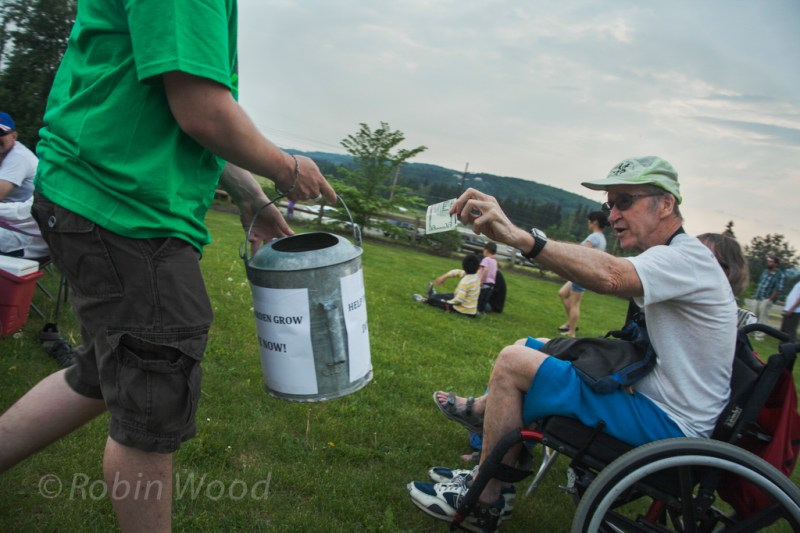
People gladly support the gardens during the free concerts.

People gladly support the gardens during the free concerts.

Can’t have a post about music without the standard close up of the musician!

Susan Grace taps her guitar and sings, June 27, 2013.

Susan Grace taps her guitar and sings, June 27, 2013.