Landscapes
Weekly Photo Challenge: Culture, Turkey Tail.
Abstract, Landscapes, Photography, Travel, Weekly Photo PostThe Weekly Photo Challenge, that’s almost over, is culture. While the example is the culture of a specific society, culture has many more meanings. I’m choosing a very literal meaning of culture, the verb, according to merriam-webster online: “the act or process of cultivating living material in prepared nutrient media.”
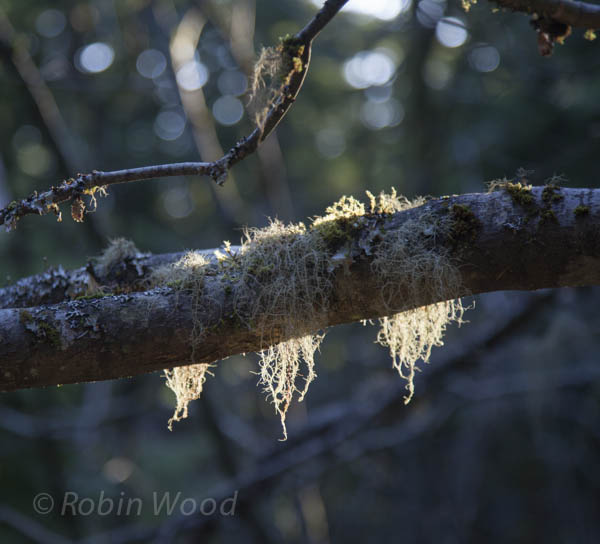
My culture is a fungus growing in its specific environment. Trametes Versicolor, due to it’s shape and common color patterns, is often called Turkey Tail. Here it grows on a tree in Oregon.
Bicycle Beat: Munching Moose and a May Day Sun Dog
Alaska, Landscapes, Photography, Street, Wildlife“Bicycle Beat” is an idea I have wanted to start for some time. And until recently was hindered by winter. Bicycle Beat is my reporting from a bicycle. I have often felt bike riding is the ultimate way to capture great photos. Unlike driving, stopping and turning around is almost instantaneous, and it’s much easier to spot interesting subjects traveling 10 mph rather then 50. Consequently, also much faster then walking, greatly expanding the range of your photographic canvas. Also important is inconspicuous. You draw a lot more attention stopping a car then a bicycle.
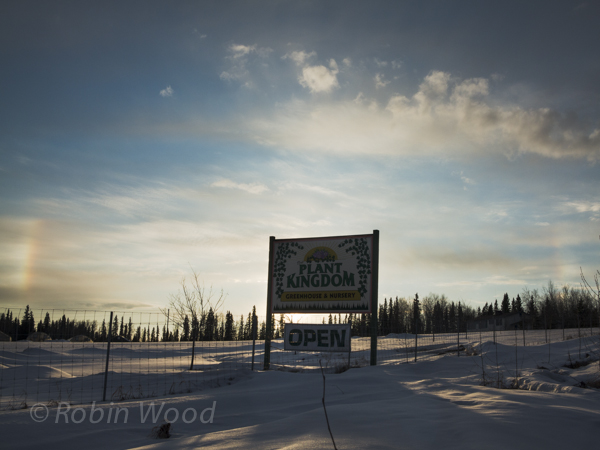
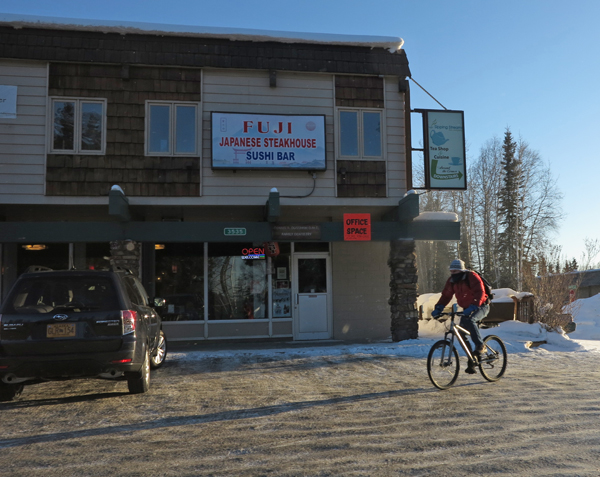
I went for a very brief 3-mile bike ride last night and in the short time happened upon two photo-worthy subjects. It’s been a very testy spring in Fairbanks, with multiple inches of snow the last week of May. Greenhouses are opening despite unavailable exterior space. One of them is Plant Kingdom.
Mayday! A sundog is visible on May Day. A sundog is an atmospheric reaction when light deflects off ice crystals in the air, producing a halo effect. They are common to cold weather.
The snow and cold on May 1, producing a sundog, mixed with the open Plant Kingdom sign, is a significant juxtaposition.

A sundog is frames the Plant Kingdom sign on May 1, 2013. It has been one of the coldest springs on record in Interior Alaska.
I slung my camera around my neck and hopped on my bike, only to travel another half-mile before finding another photo.
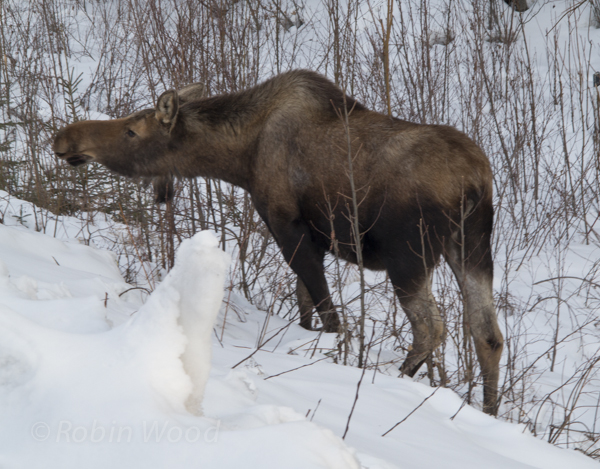
While I may have stopped a car to take the sundog picture, I never would have seen this young moose right off the bike path. Maybe 15 yards away, it would have been a great opportunity to get a wide-angle shot of a moose. Having a zoom lens however, my first instinct was to zoom in as close as possible. Probably 2 or 3 years old, I did make sure no mother moose was visible before shooting.
Sporting Thursday: Rattlesnake Ridge in Snoqualmie, Washington.
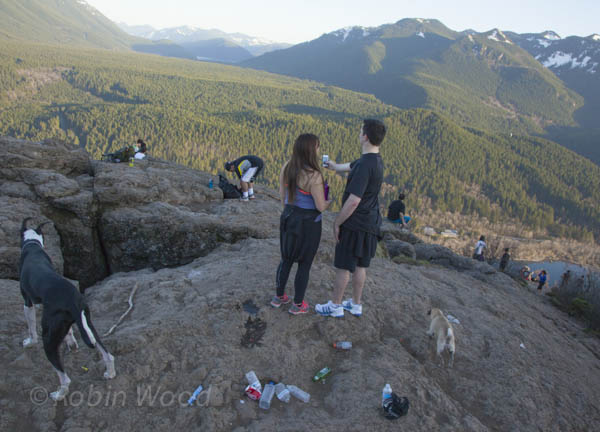
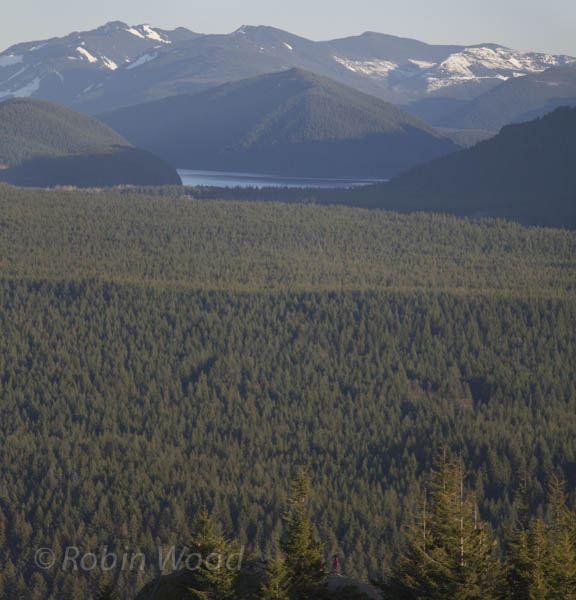
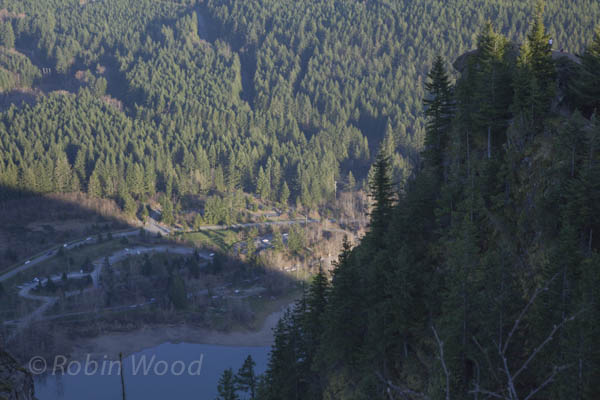
Landscapes, Photography, TravelOn a beautiful, sunny, Easter Sunday, people thronged to Rattlesnake Mountain Scenic Area so they could relax, sun, and ascend Rattlesnake Ridge. Nestled in the foothills of Washington’s Cascades, just outside Snoqualmie, Rattlesnake Ridge is a is a solid hike, gaining roughly 2000 ft. of elevation in 2 miles.
The trail was packed. Without any attempt at counting adventurers, the number easily surpassed 100. I would estimate closer to 300, over a small portion of the day. A few larger groups appeared to be in double digits. After a long, rainy winter in Washington, people want to play.
For those interested the climb includes some slightly harrowing overlooks. Deaths are not unheard of, one as recently as 2012, according to the Issaquah Reporter.
Thankfully there were no reports of accidents on my trip.
Northern Lights: Long exposures, a Satellite and a Satellite-Receiving Dish
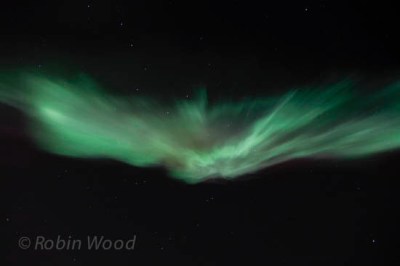
Alaska, Landscapes, PhotographyThe Northern Lights visited last weekend, thanks to a solar flare that sent charged particles towards Earth. In a news brief, alerting northern residents to the likely lights display, The Fairbanks Daily News-Miner quoted a NASA scientist saying “This is the strongest flare seen so far in 2013.” It will likely be the last significant show of 2012-2013 winter, Fairbanks already has over 15 hours of sunlight, with dusk and dawn expanding far on either end.
I work late on the weekends, Friday night I had my tripod, but the lights weren’t very dramatic. Saturday night the lights were much stronger, but I foolishly was without tripod. I tried to find adequate surfaces to rest my camera and relied on the 2-second self timer, effective, but far from ideal.

2-second self timer, camera on the ground. A 40-second exposure allows the photographer to step back and enjoy the show, even while photographing.
Although April 10 recorded the strongest solar flare of the year, it did not produce the most dramatic lights I have seen this winter. Those came over the nights of March 16 and 17. I went out with a tripod that night.
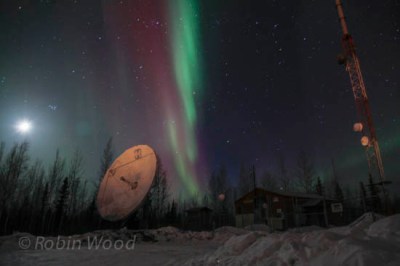
- Earth’s original satellite – the moon, a satellite receiving dish and radio tower, all visible on top of Ski Boot Hill as northern lights streak overhead.

Setting the camera pointed straight up creates a fun, abstracted form. The Big Dipper is visible in the top-left portion of the photo.
Thanks to all the wonderful visitors I’ve had over the last few days. I’ve greatly enjoyed viewing your blogs as well.
Sporting Thursday: Christmas day jog.
Alaska, Landscapes, Photography, StreetIt may be a little dated, but as I mentioned in my last post, winter has decided to stick around in Fairbanks. It was probably a lot nicer out Christmas day, 2012, then it is now in the middle of April.
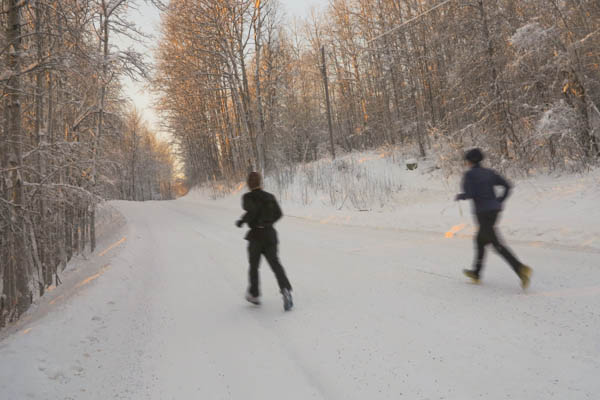
I was capturing some of the gorgeous light from the sunset walking to my grandma’s house, just before 3 p.m., . Suddenly a pair of runners turned off a subdivision onto the main road. I had time to capture one frame as the ran off into the winter wonderland.

The winter sun in Alaska never gets very high. Here it is seen setting through trees just before 3 p.m.
http://www.blogdash.com/full_profile/?claim_code=fb19ad07b3c01bb1b1a3a368a2bcb6da
Sporting Thursday: Snowshoe Hair tracks and a Geocache.
Alaska, Landscapes, Photography, Travel, Uncategorized, WildlifeCross-country skiing, either skate or classic, is a great way to exercise and get outside during the long Alaskan winters. Sticking to a groomed trail or breaking your own through the woods both provide ample opportunities for fun sights.
A trip on March 13, traversing trails just north of Fairbanks from my house to a friend’s, had a few hidden surprises.
While stopped to discuss which direction to go I spotted some snowshoe hair tracks off the trail. My shadow provides a little perspective while some unidentified tracks disappear off frame.
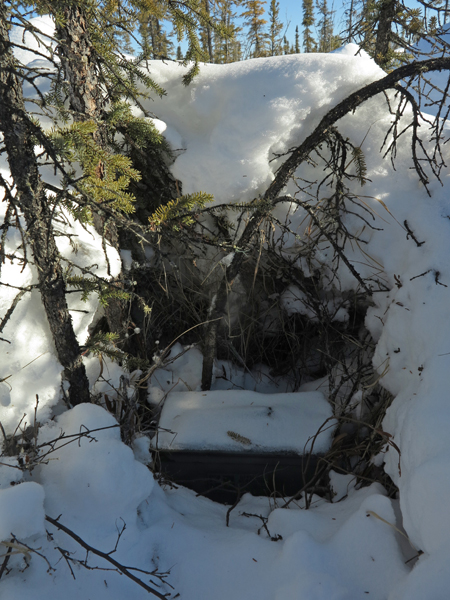
From there we followed what appeared to be a well-tracked snowmachine trail. While continuing to appear well traveled, it quickly delved into a walking only trail, then abruptly stopped in a clearing. Again, while debating our next move, I glanced around, noticing a cache in snow.
After a brief inspection it was discovered to be a geocache. Geocaching is a global game where people upload the longitude and latitude of a cache online for others to find. Inside was a variety of objects: a pipe cutter, crayons, paint, playing cards, a Pez dispenser and a mosquito net to name a few. The rules simply state if you take something you must leave something.
The ski was close to 10 miles, and that worked up an appetite. So to finish off “Sporting Thursday” is a picture of a fellow winter adventurer captured while waiting for pizza.
2013 GCI Open North American Championships.
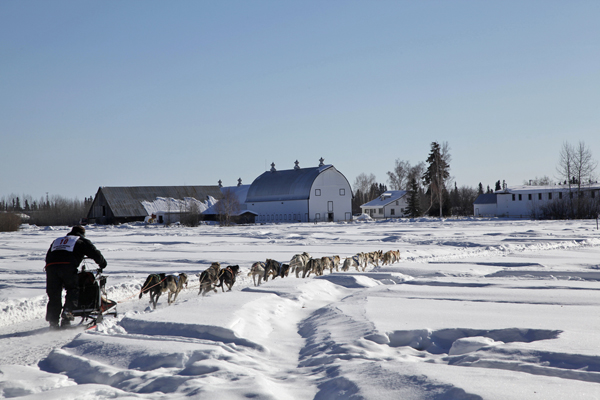
Alaska, Landscapes, Photography, SportsThe GCI Open North American Championship is a three-day dog-sled race, that starts and finishes in downtown Fairbanks. The course takes leads them to the Chena River and Noyes Slough before depositing racers into the extensive trail network north of Fairbanks. Weather couldn’t have been better.
I met up with the mushers at Creamers Field, one of my go-to places for photography. Today, like most days at Creamers, I focused with film. With luck it may get develop in a timely manner.
Perhaps tomorrow I will focus on the downtown spectacle while shooting a little more digital.
New years eve: Alaska Satellite Facility tracking aperture and fireworks.
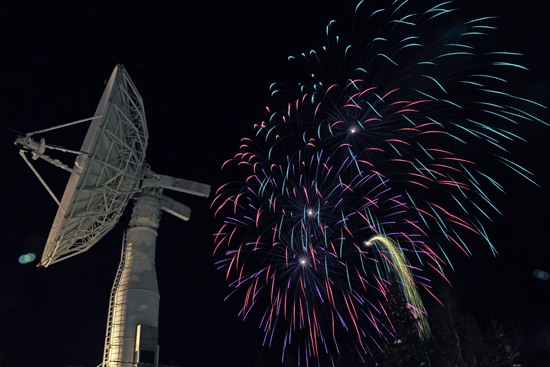
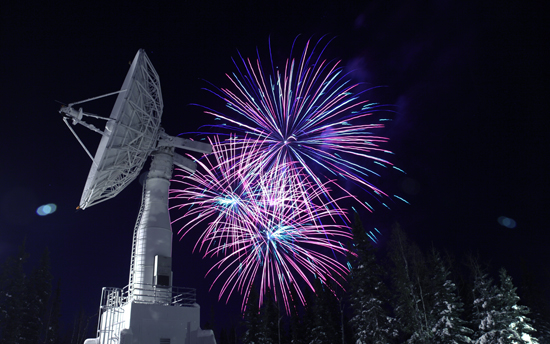
Alaska, Landscapes, PhotographyA satellite-receiving dish is seen as fireworks celebrate the end of 2012 and the start of 2013 on the ski trails at University of Alaska Fairbanks. Known also as a tracking aperture, the 11-meter dish is part of the Alaska Satellite Facility (ASF) of the Geophysical Institute’s Satellite Tracking Ground Station (STGS). The 11-meter X- and S-Band system, along with a smaller 10-meter dish, are just one appendage of a world-wide Near Earth Network, run by the National Aeronautics and Space Administration (NASA). The high latitude of ASF’s ground station allows for 11 connections per day with polar-orbiting spacecraft, ASF then downlinks, processes and distributes data.
I tried to correct the color of the tracking aperture, which had a yellow caste due to artificial lighting, while maintaining true hues of the fireworks. To accomplish this I set my white balance on the dish, lightened the shadows and slightly saturated the image. What made the biggest difference was a slight curve, increasing the highlights and decreasing the shadows, of the red and green spectrums. The end result, I feel is very close to what would have been seen.
My ISO was 125 and tripod shooting was essential, and exposure times were 10 to 15 seconds.
Tractor and barn illuminated by norther lights
Alaska, Landscapes, PhotographyFor one reason or another, the northern lights are something I don’t photograph enough. Being a heavy film shooter until recent probably played a factor, digital cameras are more cooperative in cold weather. Cold, lack of tripod, poor location and early-morning hours have all played a role in deciding as well.
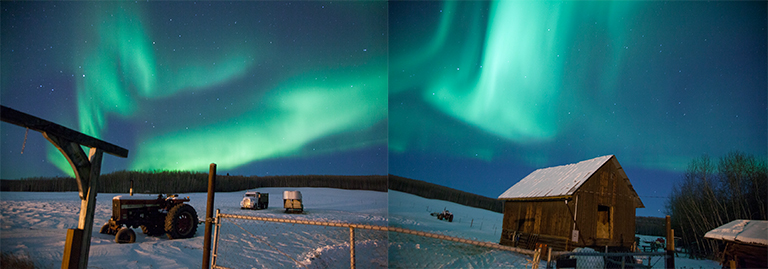
As the wind whistled and the lights danced overhead a few weeks ago, I said, “no excuses.” Less then a mile to get to my house I had a revelation: the hay field about half-a-mile up the road. Seems silly I had never though of it before. Not wanting to miss a second, I decided to forgo finding my tripod and zipped to the field. I used the two-second self timer and the roof of my car. Directly off Farmers Loop Rd. subsequent cars driving by helped illuminate the farm equipment and barn. Foreground helps any picture, especially northern lights.
The image is actually two pictures placed next to each other. Photomerge, which creates panoramas, wouldn’t blend the images. The color is off and the horizon isn’t perfect, but I like it.
Worth noting, the Big Dipper is noticeable, just up and to the left of the barn.